Connect with us

Opinion

It is critical to continue and expand the answer to Covid in order to save lives.

Published

on

733 scaled

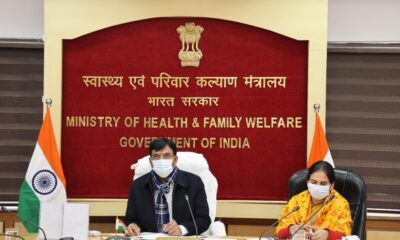
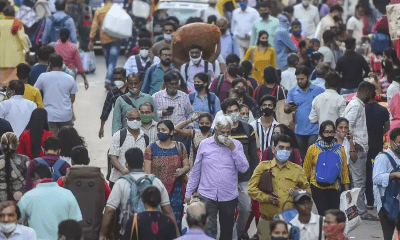
SARS-CoV2 infection has increased dramatically and consistently in the WHO’s South-East Asia Region in recent months. In April and May, the region announced more than two million new cases in a row, with some areas reporting test positivity rates of up to 40%.Concerning variants and their sub-lineages have been identified, and they may be linked to higher transmission speeds. In the fight against Covid-19, both the country and the world are at a crossroads. There is no country that is completely secure. We’re all in danger.

People are running out of energy. They’ve been doing whatever they can to keep themselves and their loved ones safe for nearly 18 months. Despite this, we are only in the early stages of the pandemic. Vaccine euphoria and the complacency it can breed are real risks, particularly when some countries return to normalcy globally. We must continue to maintain and scale up the response in all countries, and see this task through.

What is the best way forward for the region?

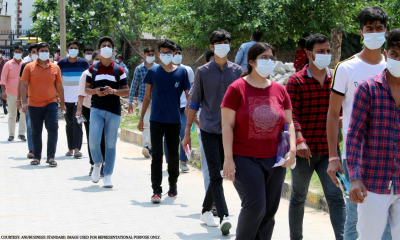
First, vigorously implement tested public health and social policies that are our best line of defence against new variants. Distancing yourself physically will help. The use of a mask is effective. Hand hygiene is efficient. Ventilation, testing, touch tracking, and isolation are all used to stop the spread of the disease, save lives, and reduce the effects. The 3Ws–wear a mask, wash hands, and keep a safe distance–must continue to be followed. We must also avoid the 3Cs: crowded environments, close-contact situations, and confined and enclosed spaces.

Second, keep an eye on and extend health-care capability to ensure that it can meet population demands, regardless of caseload. In the event of an increase in cases, step-by-step measures must be implemented to increase room, personnel, and equipment –such as oxygen and beds–as well as improve communication between and within facilities. Essential health care must be maintained in order for all to have access to the services they need to remain safe and well.

Third, as described in national deployment and vaccination plans, vaccinate priority classes. In the face of ongoing supply constraints, countries can maximise public health benefits by maximising the use of available doses.

We must push ourselves to the limit and go all out. Since the beginning of the pandemic, WHO has given vital guidance and assistance to member-States throughout the field, including thousands of oxygen concentrators, millions of respirator masks, and a number of auxiliary health facilities in recent months. Thousands of employees have been reassigned to help with the national response. The Access to COVID-19 Tools Accelerator, which is the world’s quickest, most organised, and active global partnership to accelerate the growth, manufacturing, and equal access to Covid-19 tests, treatments, and vaccines, continues to save lives.

Only by working together and maintaining our commitment will we be able to reduce infection, plan for and deter new waves, and provide evidence-based therapies and technologies to anyone who needs them. It’s a matter of life and death. We must all stick to our weapons.

Opinion

A.R. Rahman’s ‘Fake Narrative’ Remark on Chhaava Sparks Outrage: Is Hindu History Now ‘Divisive’?

Published

on

12345 1200 x 675

-Siddhant Mohite, Editor in Chief – Mumbai Uncencesored:

I recently came across A. R. Rahman’s interview with BBC Asian Network, where he spoke about the film Chhaava. He said that what is being represented in the movie feels like a “fake narrative” and that it is divisive. He also added that people today are smart enough to not get influenced by such narratives.

And honestly, that’s where the problem begins.

Chhaava is not some random fictional story. It is based on the real history of our land, on figures and events that are deeply respected and documented. Calling it “fake” or dismissing it as divisive feels like undermining history itself. This is exactly why netizens are now raising their voices and demanding an apology from A.R. Rahman for this statement.

What is even more confusing is the selective outrage.

Rahman is a proud Tamilian. A Tamil movie, Annapoorni, faced severe backlash for allegedly insulting Hindu religious sentiments. The matter escalated to legal issues, and the film was eventually removed from Netflix. At that time, why didn’t this film feel “divisive”? Why was there no strong public statement calling that narrative problematic?

So now the obvious question arises — double standards?

When history rooted in Hindu or Maratha identity is shown on screen, it becomes “divisive”. But when religious sentiments are hurt in other contexts, silence follows. If this is not selective criticism, then what is?

Another important point here is freedom of speech and expression. For years, artists and filmmakers have defended creative liberty, often arguing that art should not be censored or policed. But when a film showcases historical pride, suddenly the same freedom seems negotiable. So freedom of expression exists only when it aligns with certain viewpoints?

Rahman’s comment that people are “smart enough not to get influenced” also feels dismissive. People are smart, yes — smart enough to understand history, smart enough to question narratives, and smart enough to call out hypocrisy when they see it.

As a public figure of his stature, his words carry influence whether he acknowledges it or not. And when those words question the authenticity of history while ignoring similar issues elsewhere, it is only fair that people demand accountability.

This isn’t about silencing anyone. It’s about consistency. It’s about respecting history. And it’s about asking why the standards change depending on whose story is being told.

Continue Reading

Opinion

10 Practical Tips for Eco-Friendly Travel: A Comprehensive Guide to Sustainable Tourism

Published

on

2150951134

Priyal Singh, Mumbai Uncensored:

Introduction:

In recent years, the concept of eco-friendly travel, also known as sustainable or responsible tourism, has gained significant traction among travelers worldwide. With growing environmental concerns and a heightened awareness of the impact of tourism on local communities and ecosystems, more people are seeking ways to minimize their ecological footprint while exploring the world. Eco-friendly travel involves making conscious choices to reduce environmental impact, support local economies, and preserve cultural heritage. In this comprehensive guide, we’ll explore ten practical tips for eco-friendly travel, empowering you to embark on sustainable adventures while leaving a positive impact on the planet and its inhabitants.

1. Choose Green Accommodation:

One of the first steps toward eco-friendly travel is selecting green accommodation options that prioritize sustainability practices. Look for eco-friendly hotels, lodges, or homestays that have implemented measures to minimize their environmental impact. These may include energy-efficient lighting and appliances, water-saving fixtures, waste reduction and recycling programs, and locally sourced materials for construction and furnishings. Certification programs such as LEED (Leadership in Energy and Environmental Design) or Green Key provide assurance that accommodations meet stringent sustainability criteria.

2. Pack Light:

Minimizing your luggage not only makes travel more convenient but also reduces fuel consumption and carbon emissions associated with transportation. Pack versatile clothing and essentials to avoid overpacking and choose lightweight, durable luggage made from eco-friendly materials such as recycled polyester or organic cotton. By packing light, you’ll not only lessen your environmental impact but also enjoy greater mobility and flexibility during your travels.

3. Use Public Transportation:

Whenever possible, opt for public transportation, bicycles, or walking to explore your destination. Public transit systems, trains, and buses are more energy-efficient than individual vehicles and contribute to lower carbon emissions. Many cities around the world offer affordable and convenient public transportation options, including subway systems, trams, and bike-sharing programs. By choosing sustainable modes of transportation, you’ll reduce traffic congestion, air pollution, and greenhouse gas emissions while experiencing the local culture and scenery firsthand.

4. Support Local Businesses:

One of the best ways to promote sustainable tourism is by supporting local businesses and communities. Eat at locally-owned restaurants that serve regional cuisine made from fresh, seasonal ingredients sourced from nearby farms and markets. Purchase souvenirs and handicrafts from local artisans and cooperatives, supporting traditional craftsmanship and cultural heritage. Choose community-based tour operators and guides who prioritize responsible tourism practices and contribute to the local economy through fair wages and community development initiatives.

5. Reduce Water Usage:

Conserving water is essential, especially in regions facing water scarcity or drought conditions. Practice water-saving habits such as taking shorter showers, turning off taps while brushing teeth or shaving, and reusing towels and linens to reduce laundry. Choose eco-friendly accommodation that implements water-saving measures such as low-flow showerheads, dual-flush toilets, and rainwater harvesting systems. By minimizing water usage, you’ll help conserve this precious resource and support sustainable water management practices.

6. Say No to Single-Use Plastics:

Single-use plastics, such as disposable water bottles, plastic bags, and utensils, contribute significantly to environmental pollution and harm marine ecosystems. Bring reusable alternatives such as a refillable water bottle, shopping bag, and travel cutlery set to avoid single-use plastics while traveling. Refill your water bottle at water stations or with filtered water to minimize plastic waste and support initiatives aimed at reducing plastic pollution.

7. Respect Wildlife:

Responsible wildlife tourism involves interacting with animals in their natural habitats in a manner that respects their welfare and conserves their habitats. Avoid activities that exploit or harm wildlife, such as elephant rides, swimming with dolphins, or visiting captive animal attractions. Instead, choose ethical wildlife encounters with reputable operators who prioritize animal welfare, conservation, and education. Observe wildlife from a respectful distance, refrain from feeding or touching wild animals, and support conservation efforts aimed at protecting endangered species and their habitats.

8. Offset Your Carbon Footprint:

While reducing carbon emissions should be a primary goal, offsetting unavoidable emissions is an effective way to mitigate your environmental impact. Carbon offsetting involves investing in projects that reduce or capture greenhouse gas emissions, such as renewable energy, reforestation, and energy efficiency initiatives. Many reputable organizations offer carbon offset programs that allow travelers to calculate and offset the carbon footprint of their flights or entire trips. By supporting carbon offset projects, you’ll help combat climate change and promote sustainable development worldwide.

9. Practice Leave No Trace Principles:

Leave No Trace is a set of outdoor ethics designed to minimize human impact on the environment while enjoying outdoor recreational activities. Whether hiking in national parks, camping in wilderness areas, or exploring natural landscapes, adhere to Leave No Trace principles to preserve the integrity of natural ecosystems. Pack out all trash, dispose of waste properly, stay on designated trails to prevent soil erosion and habitat destruction, and respect wildlife and local cultures. By practicing Leave No Trace, you’ll help protect fragile ecosystems and ensure that future generations can enjoy these natural treasures.

10. Educate Yourself:

Education is key to fostering a deeper understanding of sustainable tourism principles and their significance. Take the time to learn about the environmental and social issues facing your destination, including habitat loss, pollution, cultural displacement, and economic inequality. Engage with local communities, conservation organizations, and sustainable travel initiatives to gain insights into local challenges and opportunities for positive change. By educating yourself and others, you’ll become a more informed and responsible traveler, capable of making a meaningful difference wherever you go.

Conclusion:

Eco-friendly travel is not just a trend but a conscious choice to travel responsibly, minimize environmental impact, and support local communities. By incorporating these ten practical tips into your travel planning and habits, you can embark on sustainable adventures while leaving a positive impact on the planet and its inhabitants. Whether exploring natural wonders, cultural heritage sites, or vibrant cities, remember that every small action counts towards creating a more sustainable and equitable world for future generations to enjoy.
Continue Reading

Opinion

Tanmay Bhat’s old tweets on child rape and Lord Ganesha spark social media uproar

Published

on

Pastel Collage Stories Template 6

Payel Halder, Mumbai Uncensored, 25th February, 2023:

Kotak Mahindra Bank has withdrawn its new ‘811’ campaign ad featuring comedian Tanmay Bhat after social media uproar over his decade-old demeaning tweet about Lord Ganesha and child rape. Bhat’s tweets have outraged netizens, but the same lobby that touts freedom of expression and seeks censure when convenient has remained silent.

Despite scathing criticism of the offensive and perverse ten-year-old tweets, the Lobby has been hesitant to comment on or condemn Bhat’s old tweets, which forced Kotak Mahindra Bank to withdraw its campaign. Responding to the backlash, the bank tweeted that it does not endorse or support the actor’s views and withdrew the campaign.

Several netizens highlighted Bhat’s past tweets on child rape and asked Kotak Mahindra Bank if it reflects its brand values. Shefali Vaidya, who was one of the first people to point out Bhat’s offensive tweet, said, “How can a brand like Kotak, which has customers from all sections of Indian society, have someone like Tanmay Bhat, who has made offensive tweets about children? He also made sick tweets about Lord Ganesha. It is too disgusting for me to even read.”

Another Twitter user, Monica Verma, threatened to close her bank account and demanded that Kotak Mahindra Bank discontinue its association with Bhat and apologize.

This is not the first time Tanmay Bhat has found himself in controversy. In 2016, his video superimposing the faces of late singer Lata Mangeshkar and cricketer Sachin Tendulkar was condemned by netizens. Mumbai Police had also asked Facebook and Youtube to take down the video. Later, in October 2018, Bhat was under attack for his not taking action on the complaints against another comedian during the #MeToo movement.

Continue Reading

Trending