Connect with us

Legal News

“If lawyers circulate non-urgent matters, then heavy costs will be imposed or long date will be given”: Bombay HC

Published

on

Untitled design 4 1

BHUVANA IYER – Mumbai Uncensored, 15 January 2022

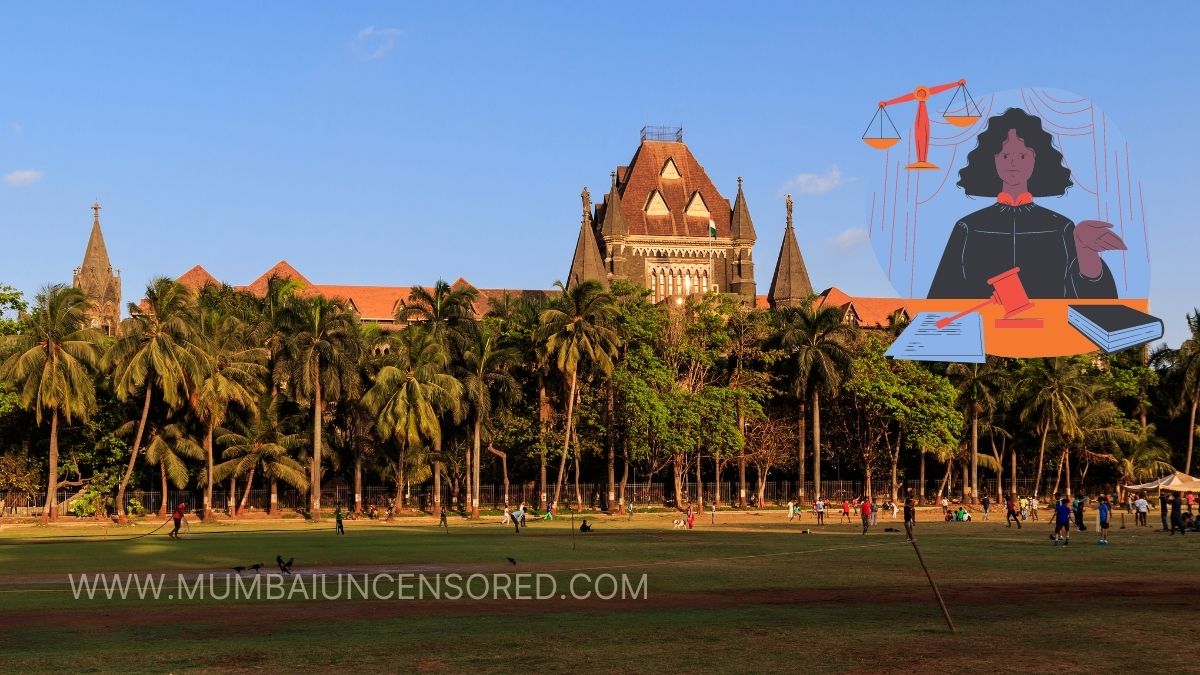
A Division Bench of Bombay High Court has issued a notice on the administrative side warning advocates against circulating matters which do not require urgent hearing. 

A bench of Justices Gautam Patel and Madhav Jamdar noted that advocates are taking undue advantage of an earlier notice which permitted advocates to merely indicate the date of listing without mentioning for circulation.

Lawyers are circulating non-urgent matters due to which a large number of cases in which there is no urgency, are being listed, the notice said.

Recently, considering the rapid surge of COVID19 cases in Maharashtra, especially in Mumbai, the Principal Bench at Bombay and Bench at Nagpur to limit the functioning of courts for 3 hours a day only. The Court resolved to take up only urgent matters that too through virtual hearing only.

The Bombay High Court had also granted liberty to advocates and parties to give application for urgent listing of cases, in which there is extreme urgency, however, it came to the knowledge of the Court that a large number of matters were listed, in which there was no urgency.

The notice issued by the High Court stated that “It is found that taking undue advantage of the previous notice, by which parties’ advocates were permitted to indicate the date of listing without mentioning for circulation, a large number of matters in which there is no urgency, are being listed.” 

The High Court administration has stated that by listing non-urgent matters endlessly by lawyers and parties, there was an “increase in the pressure on the court staffers and court departments” in Covid times when the number of staff was reduced. It is because of this that advocates and parties have been put to notice by the high court administration. The notice clearly states that “if any such matters that are not immediately urgent are circulated, either heavy costs will be imposed or matters may be adjourned to a long date.”

Legal News

Bombay High Court Grants Anticipatory Bail to Businessman Wrongly Implicated in MPID Case

Published

on

2020123069

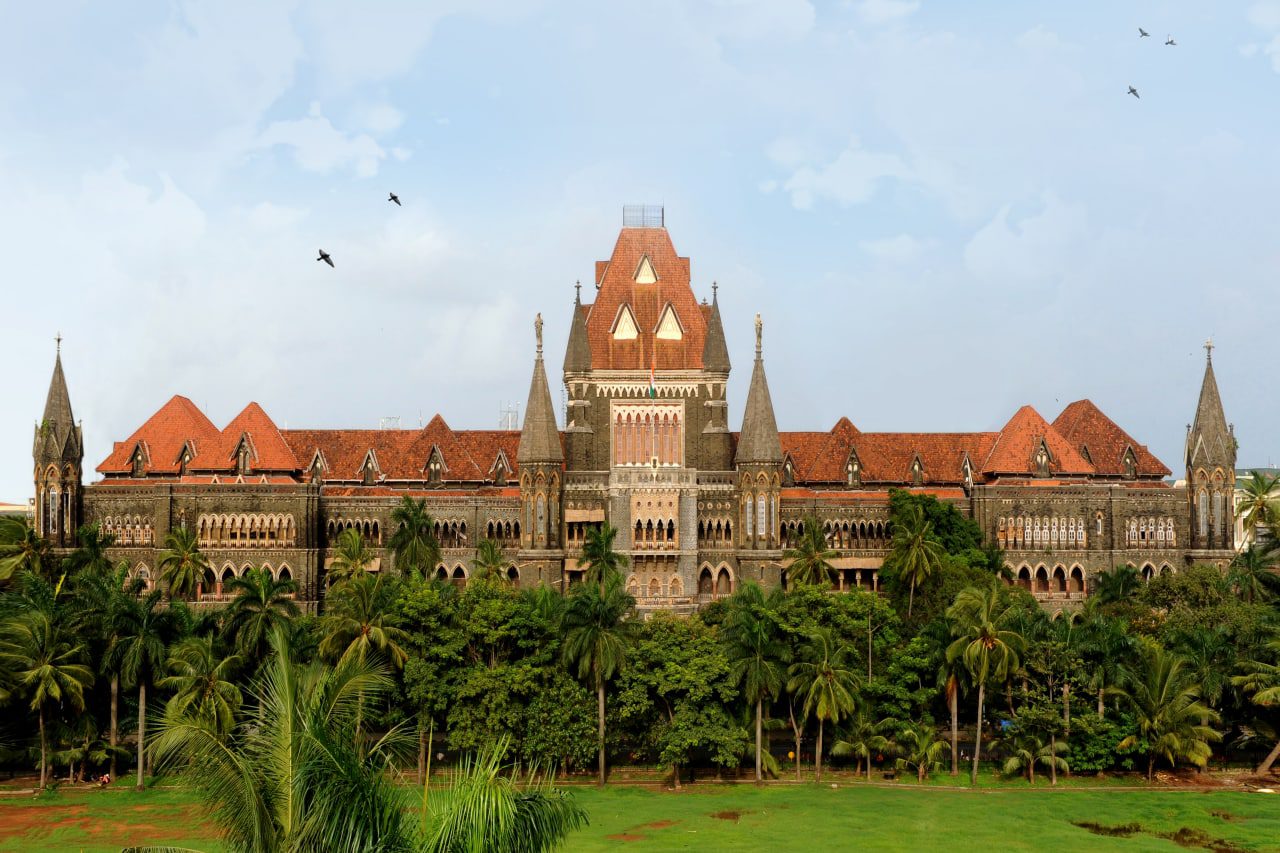
In a significant order that underscores the growing concern over wrongful implication of genuine businessmen in Maharashtra Protection of Interest of Depositors (MPID) Act cases, the Hon’ble Bombay High Court has granted anticipatory bail to 37-year-old businessman Bhavin Mahesh Dedhia in connection with FIR No. 35/2025 lodged at Bazarpeth Police Station, Thane City.

The FIR alleged offences under Sections 406 and 420 of the Indian Penal Code, along with Sections 3 and 4 of the MPID Act, claiming that investor funds were routed into Dedhia’s company, Lotus India. However, during the hearing before Justice R.N. Laddha, the prosecution itself conceded that no such investment had been made in the applicant’s company. The Investigating Officer confirmed that the allegations linking Dedhia to the alleged fraudulent transactions were unsubstantiated.

Represented by advocates Adv. Yash Savla, Adv. Meet Rajpopat, and Adv. Roshni Yadav, Dedhia argued that he had no involvement in the alleged offence and that his name had been unnecessarily dragged into the matter—causing severe reputational and business damage.

Advocate Yash Savla remarked, “This case is a prime example of how a false link to an MPID case can create immense hardship for an innocent entrepreneur. Such misuse needs urgent judicial and legislative attention to protect genuine business activity.”

Advocate Meet Rajpopat added, “The MPID Act is a powerful legislation, but its overreach without proper verification destroys lives and businesses. Bhavin’s case shows why safeguards are essential to ensure that the law targets actual wrongdoers and not those caught in the crossfire of baseless allegations.”

The Court, noting that custodial interrogation was not required, allowed the anticipatory bail on execution of a ₹25,000 personal bond with sureties, subject to standard conditions of cooperation with the investigation.

The Larger Issue: Misuse of the MPID Act
Legal experts point out that while the MPID Act was enacted to protect small investors from unscrupulous financial establishments, it is increasingly being misused to target unrelated businesspersons. In many cases, mere name-dropping in an investor’s complaint leads to FIRs and arrests—causing financial loss, tarnishing reputations, and creating unnecessary legal battles.

Business associations have voiced concerns that the fear of being falsely implicated in MPID matters is discouraging legitimate investment and entrepreneurship in the state. They are calling for stricter preliminary verification before FIR registration.

For Bhavin Mahesh Dedhia, the bail order is a relief, but the damage to his reputation remains a reminder of how a single unfounded allegation can disrupt years of honest work.

Continue Reading

Legal News

मुंबईतील हनुमान नगर, कांदिवली येथील SRA प्रकल्पात विकासकाने केली घोर फसवणूक

Published

on

WhatsApp Image 2024 12 23 at 5.33.56 PM scaled

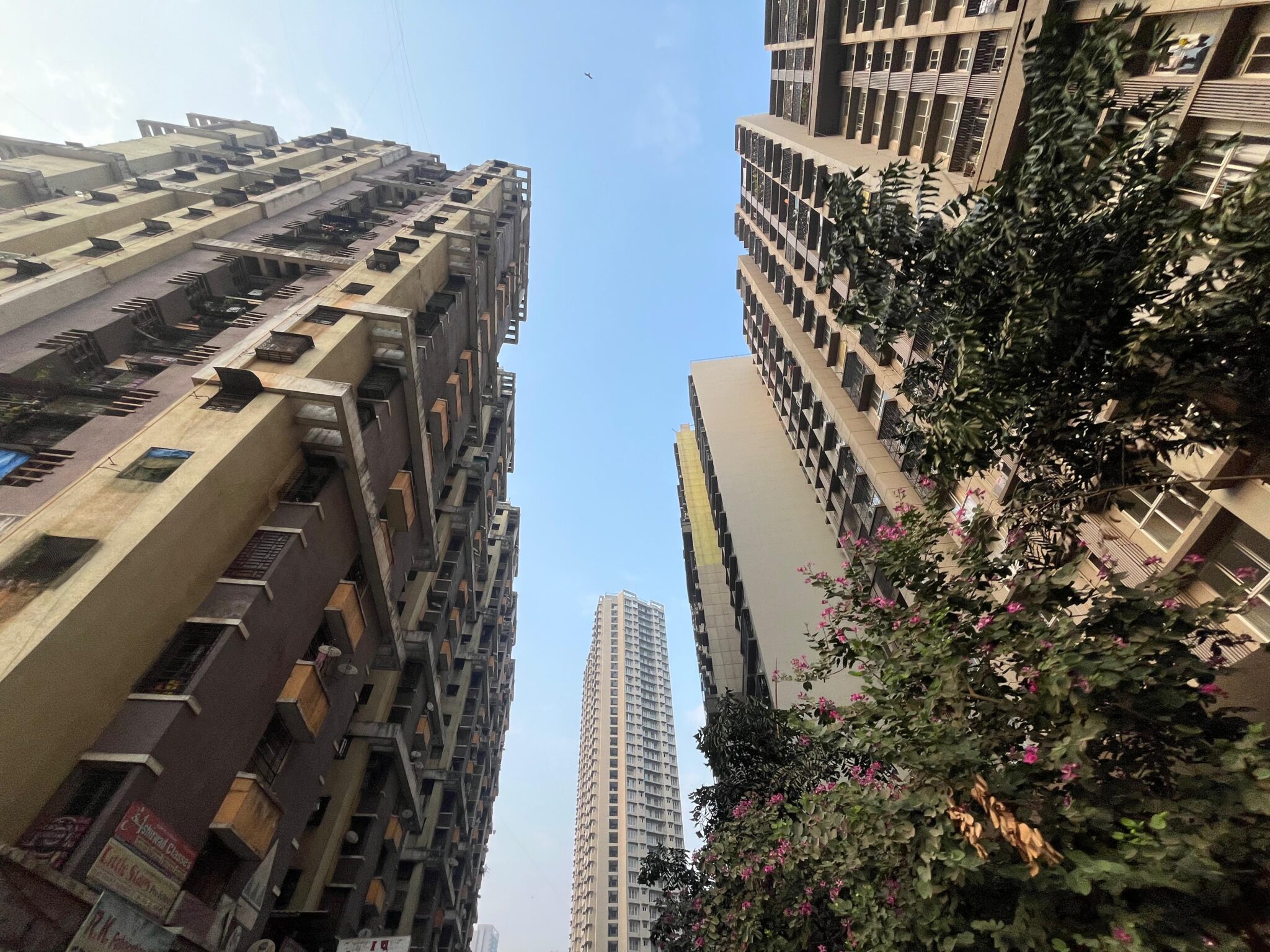
मुंबईतील झोपडपट्टी मध्ये राहणाऱ्या गोर-गरीब जनतेला त्यांच्या हक्काचे घर मिळावे, या हेतूने १९९७ साली झोपडपट्टी पुनर्वसन प्राधिकरणाची स्थापना सरकार तर्फे करण्यात आली

परंतु या प्राधिकरणाच्या प्रकल्पांमध्ये नेमकं कश्याप्रकारे भ्रष्टाचार होत आहे, हे जाणून घेणे महत्वाचे आहे…

ही कहाणी आहे वर्ष २००६-२००७ ची..

CTS क्र १६३ अ पैकी मौजे आकुर्ली येथील साफल्य शेजार समिती, श्री साई कृपा शेजार समिती, श्री सागर शेजार समिती, प्रभात, उत्कर्ष, पठाण चाळ व श्री दत्तकृपा सह गृहनिर्माण संस्था (नियोजित), येथील झोपडपट्टी धारकांना त्यांच्या हक्काचे घर मिळावे यासाठी शासनातर्फे SRA मार्फत विकासक शिवम डेव्हलोपर समीर जानी यांनी या प्रकल्पाची सुरुवात केली.

तेथील झोपडपट्टी धारकांना त्यांच्या हक्काची घरे मिळण्याकरिता परिशिष्ट २ यामध्ये स्त्री-पुरुष यांची नवे पात्र व अपात्र अशी यादी तयार करण्यात आली. त्यानंतर असे आढळून आले कि सदर यादीमध्ये ५० अशी नवे टाकण्यात आली जी लोकं झोपडीधारकच नाही. आणि ती ५० नावे झोपडीधारक नसतानाही प्राधिकरणातर्फे पात्र करण्यात आली. 

शासनाच्या नियमाप्रमाणे झोपडपट्टी पुनर्वसन प्राधिकरणाच्या प्रकल्पामध्ये सदनिका मिळवण्यासाठी १९९५ च्या मतदारयादीत नाव असणे आवश्यक आहे. राशन कार्ड, वीज बिल, असे अनेक पुरावे असल्यास झोपडपट्टी धारकांना पात्र करण्यात येते. असे नियम असताना या ५० लोकांना कोणत्या कागदपत्रांच्या आधारे पात्र करण्यात आले, हा मोठा प्रश्न आहे! 

अवैध प्रकारे ५० लोकांची नावे यादीमध्ये पात्र करून नक्की कोणाचे खिशे भरण्याचे षडयंत्र रचले गेले? प्रशासनातील सक्षम अधिकारी व शिवम डेव्हलोपर ‘विकासक समीर जानी’ यांनी भ्रष्टाचाराच्या माध्यमातून मुंबईकरांची घोर फसवणूक केल्याची बाब उघडकीस आली आहे! 

स्थानिक रहिवाशी किशोर बिर्जे यांनी माहितीच्या अधिकाराअंतर्गत या प्रकरणातील महत्वाची कागदपत्रे मिळवून हे प्रकरण निदर्शनास आणले आहे!

असे सुद्धा अनेक झोडीधारक आहेत जे सदर ठिकाणी अनेक वर्षांपासून राहत होते, आणि ते नियमाप्रमाणे पात्र झोपडपट्टी धारक होते, परंतु अश्या लोकांना अपात्र करण्यात आले! 

मुंबईमधील गोरगरीब झोपडपट्टी धारकांना त्यांच्या हक्काचे घर मिळावे यासाठी शासनाने SRA ची स्थापना केली होती.

मुंबई शहरामध्ये अश्या प्रकल्पांमुळे खरंतर झोपडपट्ट्या कमी झाल्या पाहिजे होत्या!  परंतु विकासक आणि भ्रष्ट अधिकारांच्या माध्यमातून सामान्य जनतेच्या डोळ्यात धूळ झोकून अपात्र लोकांना पात्र करून, नियमांना पायदळी तुडवून कोट्यवधी रुपये कमावण्याचे एक साधन म्हणून झोपडपट्टी पुनर्वसन प्राधिकरणाच्या योजनेचा सर्रास वापर अनेक वर्षांपासून होत आहे! 

शिवम डेव्हलोपर -विकासक समीर जानी यांनी केलेल्या या घोटाळ्याप्रकरणी विकासक, प्रशासकीय अधिकारी यांची लवकरात लवकर चौकशी करून सर्व दोषींवर कडक कार्यवाही/कारवाई करून योग्य तो न्याय द्यावा!

Continue Reading

Legal News

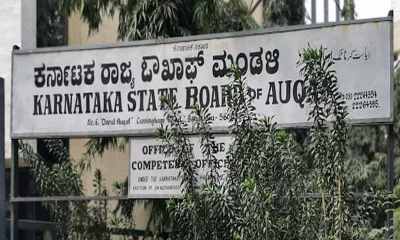
Kerala Legislative Assembly Unanimously Rejects Controversial Waqf Amendment Bill

Published

on

pinarayi vijayan 144938537

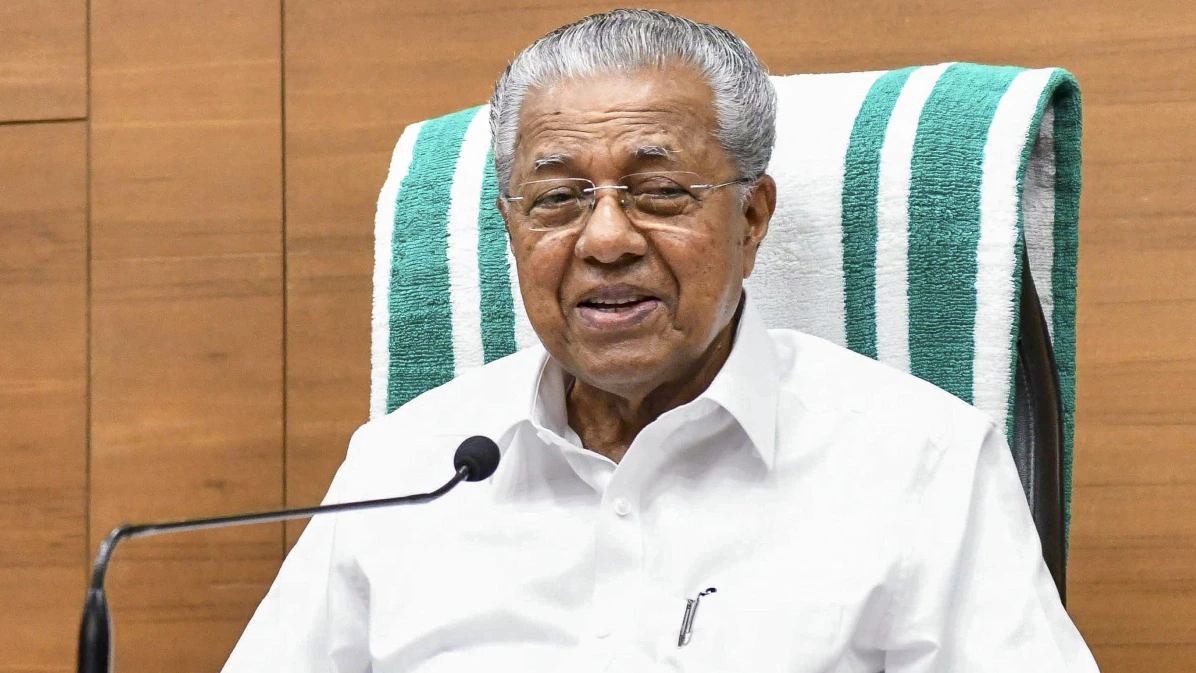
The Kerala Legislative Assembly unanimously passed a resolution on Monday, October 14, urging the central government to withdraw the contentious 2024 Waqf Amendment Bill. The resolution, presented by Minister for Waqf, Haj Pilgrimage, and Sports, V Abdurahiman, emphasized that the bill undermines the federal principles embedded in the Constitution, sparking concerns over state rights and religious governance.

Minister Abdurahiman argued that the bill infringes on the authority of state governments concerning Waqf matters, particularly by weakening the power of state Waqf boards and tribunals, which manage Waqf properties. “This bill not only violates the secular principles outlined in the Constitution but also threatens democratic values by replacing elected representatives with a board of nominated members and a nominated chairman,” he stated during the assembly session.

The minister also underscored the importance of protecting fundamental rights such as freedom of belief, secularism, federalism, and democratic processes. He pointed out that the bill contains provisions that contradict the core principles of the Constitution, calling for its immediate withdrawal.

The resolution gained support from both the ruling Left Democratic Front (LDF) and the opposition Congress-led United Democratic Front (UDF). The UDF proposed several amendments to the resolution, some of which were accepted during discussions, demonstrating bipartisan agreement on the issue.

This collective opposition highlights the assembly’s shared concerns about federal overreach and the central government’s role in managing religious properties. The Waqf Amendment Bill has sparked a broader debate about the balance of power between state and central authorities, especially in matters of religious governance and property management.

The call for the withdrawal of the bill reflects ongoing tensions surrounding federalism and the preservation of state rights, particularly in the context

Continue Reading

Trending