Connect with us

Legal News

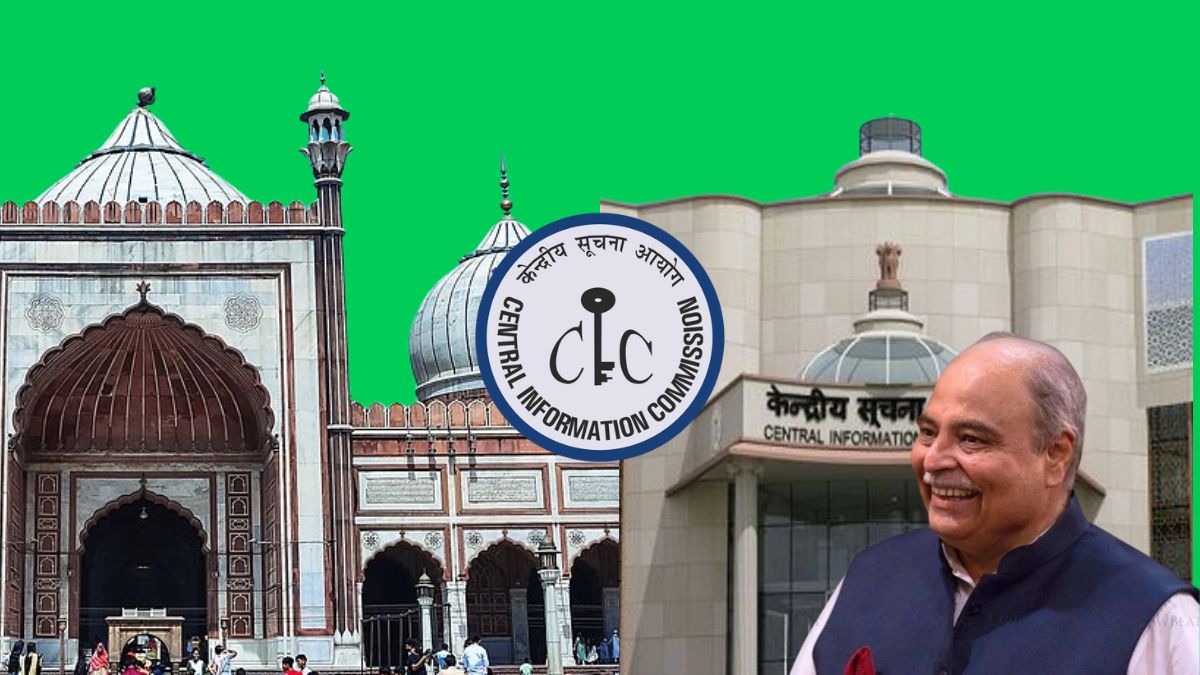
Disputed Supreme Court’s order on salaries to Imams is a betrayal to other religious sects: CIC

Published

on

Untitled design 1

Khushi Thawani, 12th December 2022, Mumbai Uncensored:

The highest entity to handle complaints under the RTI Act is the Central Information Commission, and in one of the recent applications, activist Subhash Agrawal submitted an RTI request asking about the salaries paid to imams and muezzins after receiving no response from the Delhi government and Delhi Waqf Board.

Imams filed a petition in All India Iman organization and others v. Union of India and others, 1993, to protect their fundamental rights against exploitation by wakf boards. They based their argument on the discrepancy between the nature of the task and the compensation. And the highest court in the land commanded the Wakf Board to pay the Imams desirable renumeration.

The judgement is clearly a per incurium as it was in violation of the Article 27 of the Indian Constitution, which clearly states that the country does not support any particular religion and shall not be benefitted from the public fund. As India was carved out of a bigger landmass after being divided because of religious clash, it decided to remain a secular country following the principle of Vasudhev Kutumbakam.

CIC commissioner Uday Mahurkar noted that, “The said judgment sets a wrong precedent in the country and has become a point of unnecessary political slugfest and also social disharmony in the society”.

He directed the Delhi Waqf board to compensate RTI activist Subhash Agrawal with Rs. 25,000 to cover his legal expenses and the time he lost looking for an answer to the application. Both the Delhi Wakf Board and the Delhi government provided the activist with unsatisfactory responses.

The abovementioned judgement allowing renumeration to Imams and Muezzins is “not just betraying the Hindu community and members of other non-Muslim minority religions, but also encouraging pan-Islamist tendencies amongst a section of Indian Muslims which are already visible”, the commissioner said.

He revealed that while the Delhi Waqf Board (DWB) receives an annual payment of roughly Rs. 62 crores from the Delhi government, its own income from various sources is just about Rs. 30 lakhs.

Mahurkar said those who justify such steps in the name of protection to religious minorities raise a question that if a particular religious minority has a right to protection, the majority community too has a right to protection in a multi-religious country where it is incumbent that the rights of the members of all religions are protected equally in the interest of inter-faith harmony and unity of the nation.

While dealing with the dispute the commission observed “The monthly honorarium of Rs 18,000 and Rs 16,000 being given to the Imams and Muezzins of Delhi Waqf Board mosques in Delhi is being paid by the Delhi Government virtually from the tax payers money which in turn is in sharp contrast with the example quoted by the appellant in which the priest of a Hindu temple is getting a paltry of Rs. 2000/- per month.

The commission directed that a copy of the order be forwarded to the Union Minister of Law with a recommendation to take appropriate action enforcing Articles 25–28, which will further set an example of equality among all the religious segments of society. The commission did this while keeping the Constitution of India in mind and its secular nature.

Continue Reading
Click to comment

Leave a Reply

Your email address will not be published. Required fields are marked *

Legal News

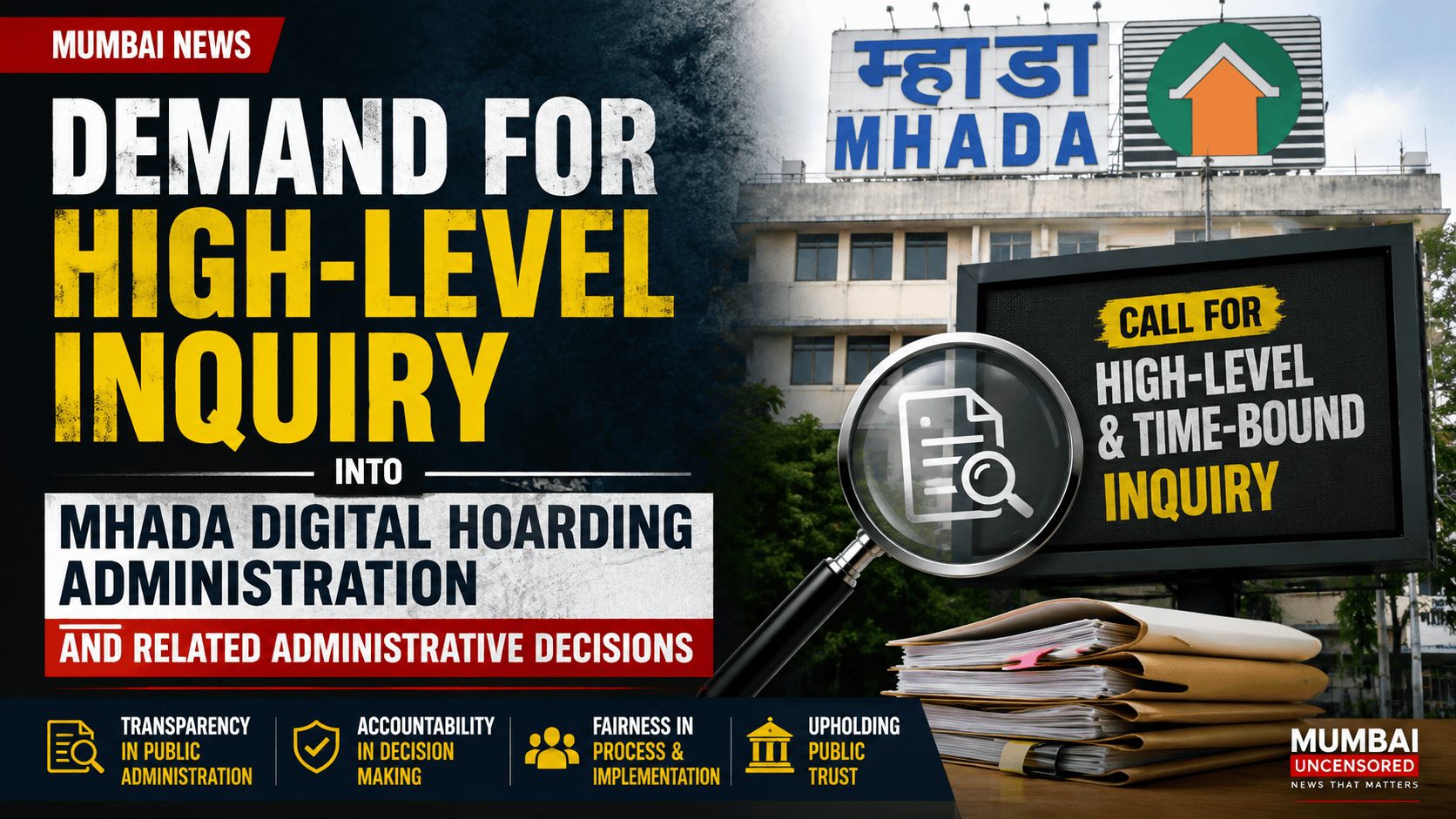
Demand for High-Level Inquiry into MHADA Digital Hoarding Administration and Related Administrative Decisions

Published

on

ChatGPT Image Jul 8 2026 07 52 37 PM

Mumbai: Social activist Mr. Sanket Nalawade has sought a high-level and time-bound inquiry into issues relating to the administration of digital hoardings within Maharashtra Housing and Area Development Authority, the implementation of government transfer orders, and matters connected with an ongoing departmental inquiry involving senior administrative officials.

According to the representation submitted to the state government, concerns have been raised regarding the transfer of responsibilities relating to digital hoardings from the engineering department to another administrative authority within MHADA. The representation has sought clarity regarding the administrative basis, applicable rules and decision-making process behind such a transfer of powers.

The memorandum further refers to publicly reported information regarding an ongoing departmental inquiry against senior officer Vandana Suryawanshi in connection with an alleged revenue loss of ₹49.31 crore. The representation emphasises that the allegations are currently under inquiry and calls for the investigation to be completed within a defined time frame, with the findings made public in the interest of transparency and accountability.

Questions have also been raised regarding the issuance of notices to several digital hoarding vendors in Mumbai and the process adopted in relation to hearings and administrative actions concerning such cases. The representation seeks an independent review of the legality and procedural aspects of these actions.

Further, the memorandum has sought examination of whether all applicable deputation rules and government guidelines were adhered to during the appointment and continuation of officers on deputation in MHADA.

The representation also refers to reports regarding a government order dated 17 June 2026 relating to the conclusion of the deputation tenure of the concerned officer and her reporting back to the parent department. It requests the government to verify compliance with the order and ensure its effective implementation wherever required.

Mr. Nalawade has urged the state government to constitute an independent high-level inquiry or special committee to examine all administrative decisions, file approvals, notices and records connected with the matter and to initiate appropriate action wherever any irregularities are found in accordance with law.

Speaking on the issue, Mr. Nalawade stated that the matter extends beyond any individual officer and concerns broader principles of administrative transparency, accountability and public confidence in governance. He called for a fair, impartial and time-bound inquiry so that the facts can be established and placed before the public.

Continue Reading

Legal News

Bombay High Court Grants Anticipatory Bail to Businessman Wrongly Implicated in MPID Case

Published

on

2020123069

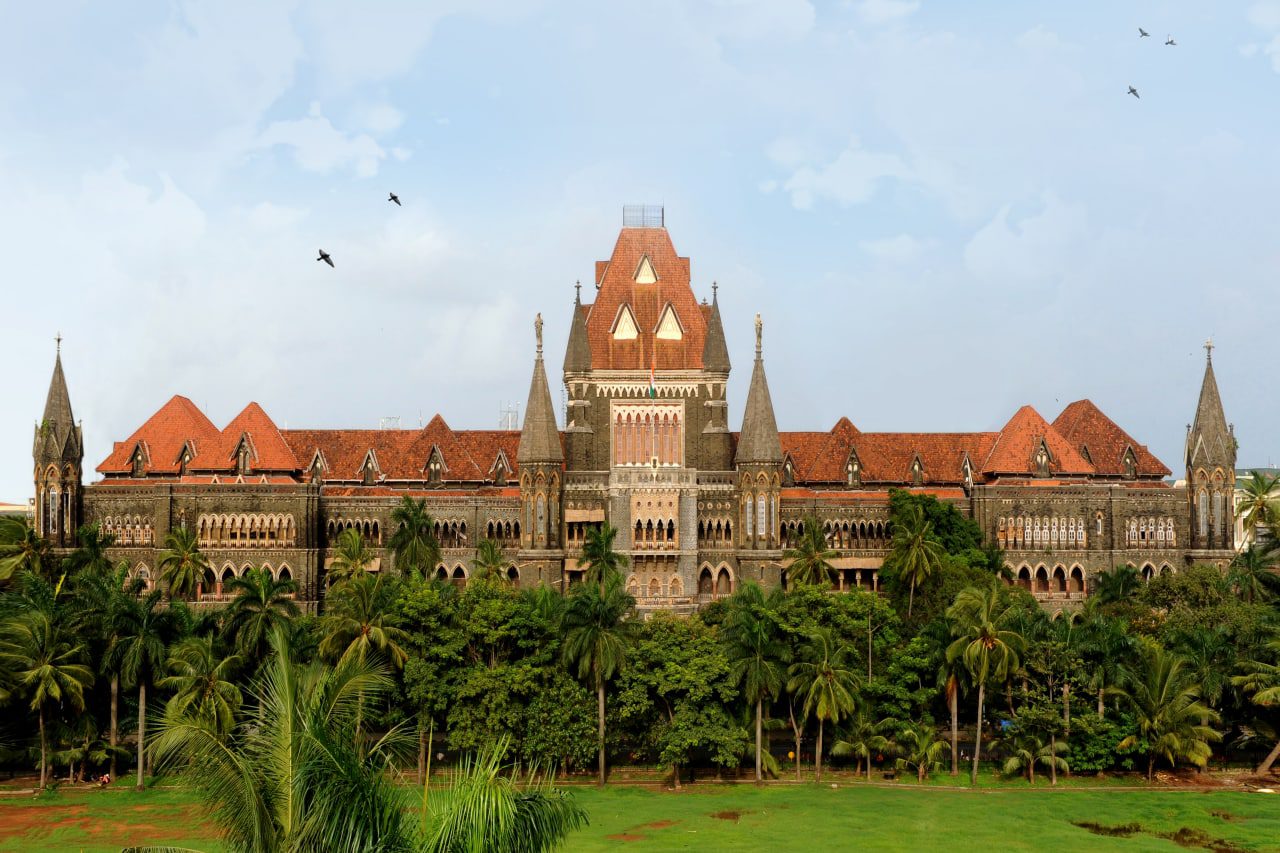
In a significant order that underscores the growing concern over wrongful implication of genuine businessmen in Maharashtra Protection of Interest of Depositors (MPID) Act cases, the Hon’ble Bombay High Court has granted anticipatory bail to 37-year-old businessman Bhavin Mahesh Dedhia in connection with FIR No. 35/2025 lodged at Bazarpeth Police Station, Thane City.

The FIR alleged offences under Sections 406 and 420 of the Indian Penal Code, along with Sections 3 and 4 of the MPID Act, claiming that investor funds were routed into Dedhia’s company, Lotus India. However, during the hearing before Justice R.N. Laddha, the prosecution itself conceded that no such investment had been made in the applicant’s company. The Investigating Officer confirmed that the allegations linking Dedhia to the alleged fraudulent transactions were unsubstantiated.

Represented by advocates Adv. Yash Savla, Adv. Meet Rajpopat, and Adv. Roshni Yadav, Dedhia argued that he had no involvement in the alleged offence and that his name had been unnecessarily dragged into the matter—causing severe reputational and business damage.

Advocate Yash Savla remarked, “This case is a prime example of how a false link to an MPID case can create immense hardship for an innocent entrepreneur. Such misuse needs urgent judicial and legislative attention to protect genuine business activity.”

Advocate Meet Rajpopat added, “The MPID Act is a powerful legislation, but its overreach without proper verification destroys lives and businesses. Bhavin’s case shows why safeguards are essential to ensure that the law targets actual wrongdoers and not those caught in the crossfire of baseless allegations.”

The Court, noting that custodial interrogation was not required, allowed the anticipatory bail on execution of a ₹25,000 personal bond with sureties, subject to standard conditions of cooperation with the investigation.

The Larger Issue: Misuse of the MPID Act
Legal experts point out that while the MPID Act was enacted to protect small investors from unscrupulous financial establishments, it is increasingly being misused to target unrelated businesspersons. In many cases, mere name-dropping in an investor’s complaint leads to FIRs and arrests—causing financial loss, tarnishing reputations, and creating unnecessary legal battles.

Business associations have voiced concerns that the fear of being falsely implicated in MPID matters is discouraging legitimate investment and entrepreneurship in the state. They are calling for stricter preliminary verification before FIR registration.

For Bhavin Mahesh Dedhia, the bail order is a relief, but the damage to his reputation remains a reminder of how a single unfounded allegation can disrupt years of honest work.

Continue Reading

Legal News

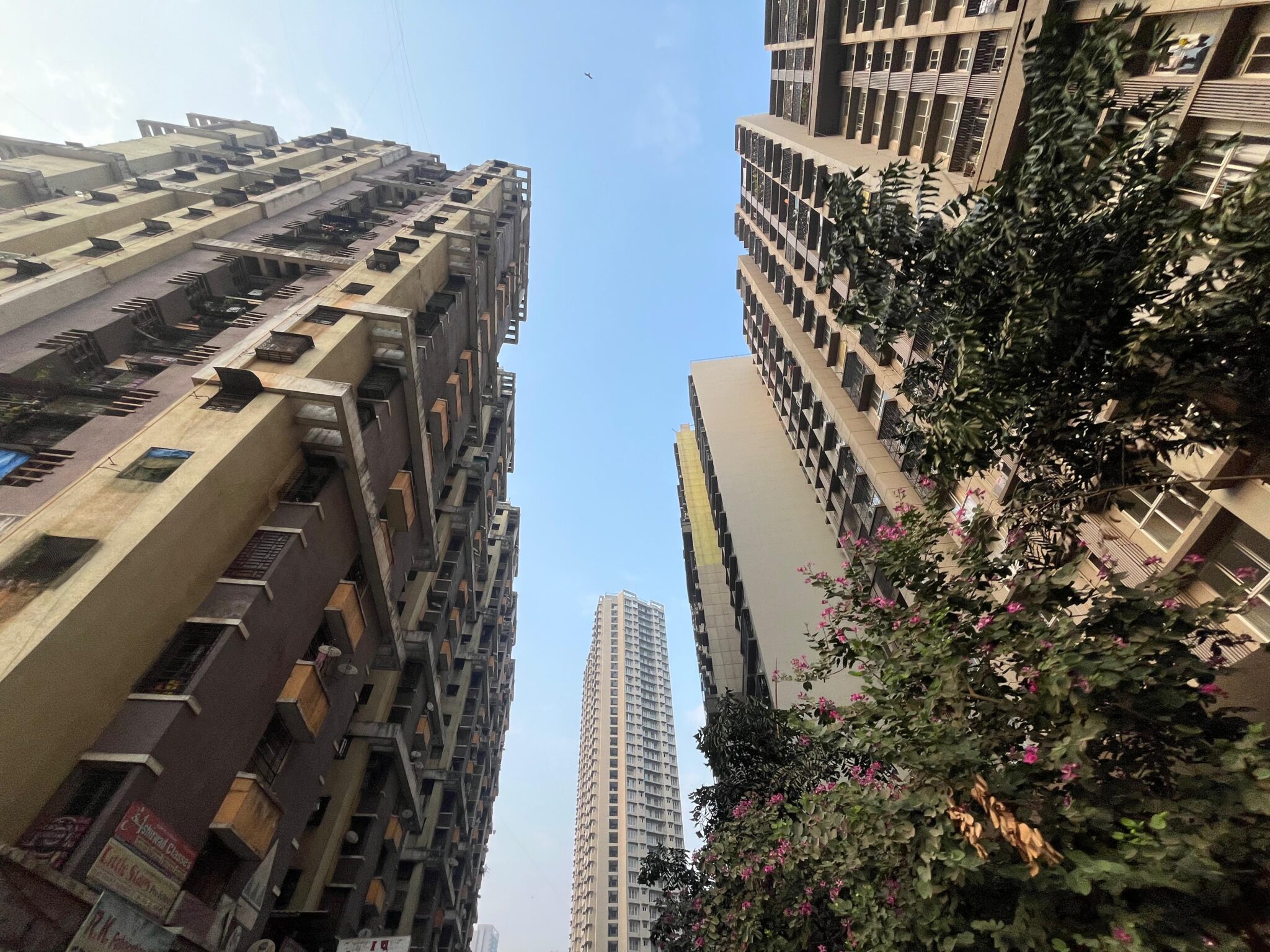
मुंबईतील हनुमान नगर, कांदिवली येथील SRA प्रकल्पात विकासकाने केली घोर फसवणूक

Published

on

WhatsApp Image 2024 12 23 at 5.33.56 PM scaled

मुंबईतील झोपडपट्टी मध्ये राहणाऱ्या गोर-गरीब जनतेला त्यांच्या हक्काचे घर मिळावे, या हेतूने १९९७ साली झोपडपट्टी पुनर्वसन प्राधिकरणाची स्थापना सरकार तर्फे करण्यात आली

परंतु या प्राधिकरणाच्या प्रकल्पांमध्ये नेमकं कश्याप्रकारे भ्रष्टाचार होत आहे, हे जाणून घेणे महत्वाचे आहे…

ही कहाणी आहे वर्ष २००६-२००७ ची..

CTS क्र १६३ अ पैकी मौजे आकुर्ली येथील साफल्य शेजार समिती, श्री साई कृपा शेजार समिती, श्री सागर शेजार समिती, प्रभात, उत्कर्ष, पठाण चाळ व श्री दत्तकृपा सह गृहनिर्माण संस्था (नियोजित), येथील झोपडपट्टी धारकांना त्यांच्या हक्काचे घर मिळावे यासाठी शासनातर्फे SRA मार्फत विकासक शिवम डेव्हलोपर समीर जानी यांनी या प्रकल्पाची सुरुवात केली.

तेथील झोपडपट्टी धारकांना त्यांच्या हक्काची घरे मिळण्याकरिता परिशिष्ट २ यामध्ये स्त्री-पुरुष यांची नवे पात्र व अपात्र अशी यादी तयार करण्यात आली. त्यानंतर असे आढळून आले कि सदर यादीमध्ये ५० अशी नवे टाकण्यात आली जी लोकं झोपडीधारकच नाही. आणि ती ५० नावे झोपडीधारक नसतानाही प्राधिकरणातर्फे पात्र करण्यात आली. 

शासनाच्या नियमाप्रमाणे झोपडपट्टी पुनर्वसन प्राधिकरणाच्या प्रकल्पामध्ये सदनिका मिळवण्यासाठी १९९५ च्या मतदारयादीत नाव असणे आवश्यक आहे. राशन कार्ड, वीज बिल, असे अनेक पुरावे असल्यास झोपडपट्टी धारकांना पात्र करण्यात येते. असे नियम असताना या ५० लोकांना कोणत्या कागदपत्रांच्या आधारे पात्र करण्यात आले, हा मोठा प्रश्न आहे! 

अवैध प्रकारे ५० लोकांची नावे यादीमध्ये पात्र करून नक्की कोणाचे खिशे भरण्याचे षडयंत्र रचले गेले? प्रशासनातील सक्षम अधिकारी व शिवम डेव्हलोपर ‘विकासक समीर जानी’ यांनी भ्रष्टाचाराच्या माध्यमातून मुंबईकरांची घोर फसवणूक केल्याची बाब उघडकीस आली आहे! 

स्थानिक रहिवाशी किशोर बिर्जे यांनी माहितीच्या अधिकाराअंतर्गत या प्रकरणातील महत्वाची कागदपत्रे मिळवून हे प्रकरण निदर्शनास आणले आहे!

असे सुद्धा अनेक झोडीधारक आहेत जे सदर ठिकाणी अनेक वर्षांपासून राहत होते, आणि ते नियमाप्रमाणे पात्र झोपडपट्टी धारक होते, परंतु अश्या लोकांना अपात्र करण्यात आले! 

मुंबईमधील गोरगरीब झोपडपट्टी धारकांना त्यांच्या हक्काचे घर मिळावे यासाठी शासनाने SRA ची स्थापना केली होती.

मुंबई शहरामध्ये अश्या प्रकल्पांमुळे खरंतर झोपडपट्ट्या कमी झाल्या पाहिजे होत्या!  परंतु विकासक आणि भ्रष्ट अधिकारांच्या माध्यमातून सामान्य जनतेच्या डोळ्यात धूळ झोकून अपात्र लोकांना पात्र करून, नियमांना पायदळी तुडवून कोट्यवधी रुपये कमावण्याचे एक साधन म्हणून झोपडपट्टी पुनर्वसन प्राधिकरणाच्या योजनेचा सर्रास वापर अनेक वर्षांपासून होत आहे! 

शिवम डेव्हलोपर -विकासक समीर जानी यांनी केलेल्या या घोटाळ्याप्रकरणी विकासक, प्रशासकीय अधिकारी यांची लवकरात लवकर चौकशी करून सर्व दोषींवर कडक कार्यवाही/कारवाई करून योग्य तो न्याय द्यावा!

Continue Reading

Trending