Connect with us

Crime News

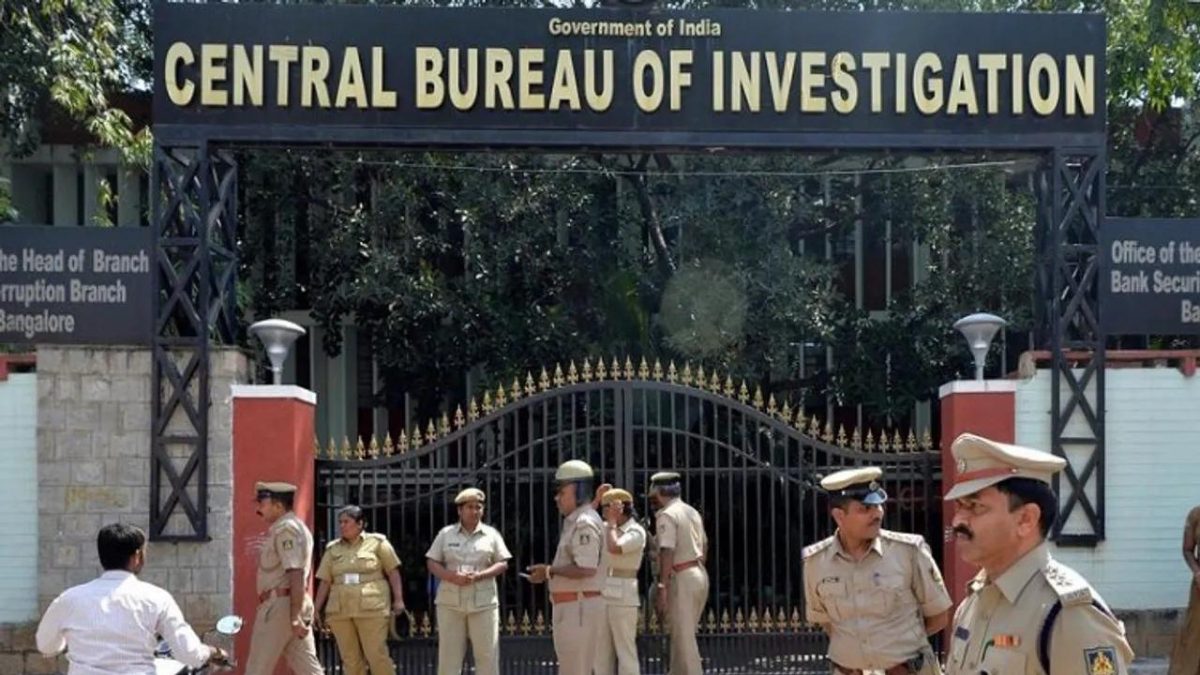
Corruption in India: CBI investigates bribery allegations against Military Engineering Services officials

Published

on

Pastel Collage Stories Template 5

Priyal Singh, Mumbai Uncensored, 23rd February, 2023:

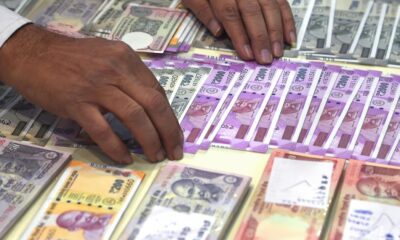
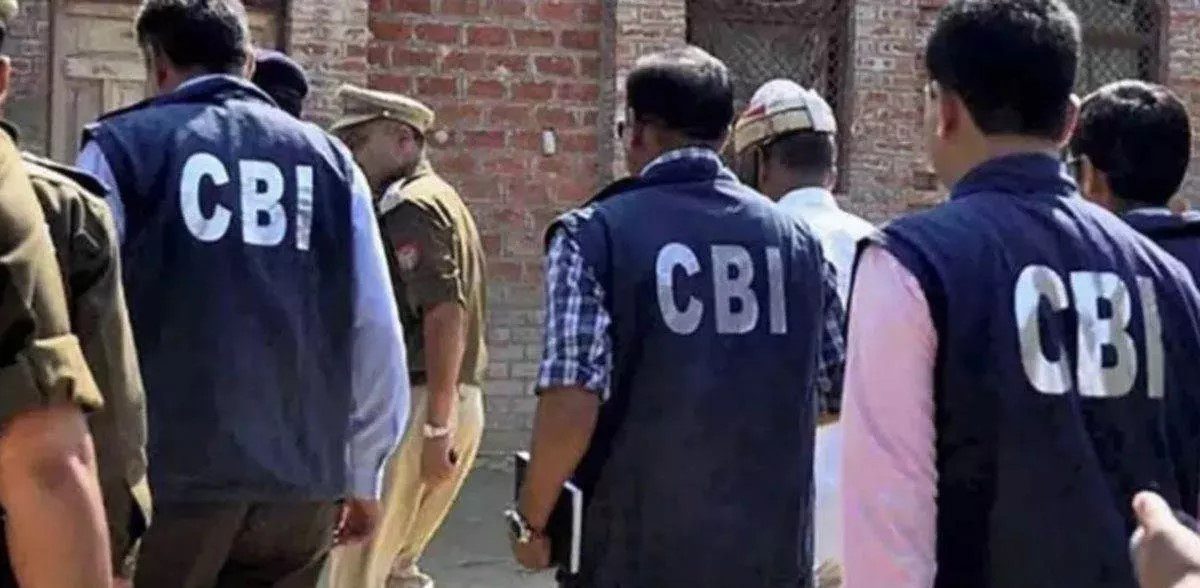
The Central Bureau of Investigation (CBI) is currently investigating a complaint filed against two officials of the Military Engineering Services (MES) for allegedly demanding a bribe from a civil contractor. According to the complaint, the officials purposely raised queries in the construction and stopped further work on the Half DASC Platoon site, which was awarded to M/s Nikaash Infracon by the MES. The CBI has taken cognizance of the complaint and is conducting an investigation into the matter.

The complainant, a civil contractor named Shri Tushar Anantrao Desale, has been working as a sub-contractor with M/s Nikaash Infracon for the past 2-3 years, executing all civil works on behalf of the company. The contract for the civil work of the Half DASC Platoon site was awarded to M/s Nikaash Infracon by the Central Government agency i.e. Military Engineering Services (MES), Nashik Road Camp, Nashik. The work site is located in the campus of MES, Nashik Road Camp, Nashik.

It is alleged that after the work was completed up to the first floor, Shri Himanshu Mishra, Assistant Garrison Engineer(AGE), MES, Nashik, and Shri Milind Wadile Junior Engineer (JE), purposely raised queries in the constructions and stopped the further construction of the 2nd floor. The complainant further alleged that the running bill of Rs. 22.85 Lakhs was sanctioned and received by him, and that 3 to 4 days before giving the complaint to CBI, Shri Himanshu Mishra, AGE, and Shri Milind Wadile, JE, demanded a bribe of Rs. 90,000/- in total (2% of the total RAR bill) for allowing the work to proceed. When the complainant did not fulfill the demand of the remaining bribe amount, his work of 2nd floor was stopped by Shri Himanshu Mishra and Shri Milind Wadile purposely by raising some queries in construction.

The CBI conducted a verification of the complaint and recorded the conversation between officers, Shri Himanshu Mishra, Shri Milind Wadile, and the complainant Shri Tushar Anantrao Desale on a Micro SD card with the help of Digital Voice Recorder (DVR). During the verification, it was revealed that there was a demand for undue advantage of 2% of the RAR bill amount of Rs. 22.85 Lakhs, which is around Rs. 45,000/- out of which Shri Milind Wadile, JE agreed to take Rs. 20,000/-. The CBI has recorded two Verification Panchnamas dated 28.09.2022 and 12.10.2022 and is taking further action in this matter.

This incident highlights the ongoing issue of corruption in India and the need for strict action against those involved in it. It is a clear indication of the rampant corruption that often hinders the country’s development. The CBI’s prompt action to investigate this matter is a positive step towards holding those responsible accountable for their actions. It is essential for India to continue its fight against corruption and take necessary measures to prevent such incidents from happening in the future. Only then can India hope to achieve its goals of becoming a corruption-free country and a world leader in economic and social development.

 In India, there are several laws and regulations in place to prevent and punish corrupt practices such as bribery. The Prevention of Corruption Act, 1988 is the primary law governing corruption-related offenses in India. The act criminalizes the act of offering or accepting any gratification, either directly or indirectly, to perform or abstain from performing any official act. It also makes it an offense to obtain any valuable thing or pecuniary advantage by corrupt or illegal means.

Additionally, the Indian Penal Code, 1860 (IPC) has several provisions that criminalize corrupt practices. Sections 161-165A of the IPC deal with offenses related to taking or giving bribes, while Section 420 deals with cheating and dishonestly inducing delivery of property. These laws have been enforced by various government agencies, including the CBI, to investigate and prosecute cases of corruption.

In this particular case, the CBI’s investigation is being conducted under the Prevention of Corruption Act, and if found guilty, the accused officials could face imprisonment for a term ranging from 6 months to 7 years and a fine. The CBI’s efforts in this matter serve as a reminder of the government’s commitment to fighting corruption and upholding the rule of law in the country.

It is essential for individuals and institutions to adhere to these laws and work towards creating a corruption-free society, which will enable India to achieve its full potential as a nation.

India has long struggled with corruption, which has been identified as a major obstacle to economic development and social progress in the country. In recent years, there have been some positive developments in the fight against corruption, including the establishment of a dedicated anti-corruption agency, the Central Vigilance Commission, and the introduction of several important pieces of legislation aimed at preventing and punishing corrupt activities.

One of the most significant of these laws is the Prevention of Corruption Act (PCA), which was first enacted in 1988 and has been updated several times since then. The PCA provides a framework for combating corruption in both the public and private sectors and establishes several key offenses related to bribery, extortion, and other corrupt activities. Under the PCA, those found guilty of corruption can face severe penalties, including imprisonment and fines.

Another important law in this context is the Right to Information Act (RTI), which was enacted in 2005 and provides citizens with a powerful tool for holding public officials accountable. The RTI allows individuals to request information from government agencies and public authorities, including information related to the allocation of public resources and the decisions made by public officials. This law has helped to increase transparency and reduce opportunities for corrupt activities in many areas of government.

It is also worth noting that India has taken steps to improve its ranking on global corruption indices, such as the Corruption Perceptions Index (CPI) published annually by Transparency International. In recent years, India has moved up several places on the CPI, reflecting a perception that the country is making progress in its efforts to combat corruption. However, there is still a long way to go, and incidents like the one involving the MES officials serve as a reminder of the ongoing challenge of fighting corruption in India.


Crime News

Harshad Dineshbhai Patni Accused of ₹13.8 Lakh Hyundai Creta Fraud in Mira Road

Published

on

WhatsApp Image 2026 05 25 at 7.40.59 PM

A 29-year-old resident of Mira Road has approached the Nayanagar Police Station alleging that he was cheated in a vehicle sale deal worth ₹13.8 lakh after the buyer allegedly took possession of his car, failed to complete payments, and later became untraceable.

According to the complaint filed by Parag Satish Koyande, a resident of New Rawal Nagar in Mira Road East, the incident began in November 2023 when he decided to sell his Hyundai Creta due to personal reasons. Koyande had originally purchased the Hyundai Creta 1.5 MPI MT S Plus iE model in November 2022 for ₹16.5 lakh, partly financed through a vehicle loan from ICICI Bank.

As per the complaint, Koyande posted an advertisement for the vehicle sale on Facebook on November 21, 2023. Following the post, a man identified as Harshad Dineshbhai Patni allegedly contacted him through Facebook Messenger expressing interest in purchasing the vehicle.

Since Koyande was occupied with work, he directed the prospective buyer to coordinate with his elder brother, Pratik Koyande. The same day, Patni reportedly visited the residence, inspected the vehicle, and finalized the deal for ₹13.8 lakh.

The complainant stated that Patni initially paid ₹64,000 as token money through an Equitas Bank cheque and agreed to clear the remaining outstanding loan amount of ₹13.16 lakh by January 10, 2024. A notarized sale agreement was subsequently executed between both parties on November 22, 2023.

However, the complaint alleges that the buyer repeatedly delayed the loan transfer process and later assured that he would pay the vehicle’s monthly EMI installments of ₹22,951 for three months in advance. Despite the assurances, the EMIs for December 2023, January 2024, and February 2024 allegedly remained unpaid.

Koyande further alleged that after repeated follow-ups, Patni issued a post-dated cheque worth ₹68,853 from DCB Bank towards the pending EMIs, but the cheque was dishonoured due to insufficient funds.

After losing trust in the buyer, the complainant reportedly demanded cancellation of the transaction and return of the vehicle. The accused allegedly transferred ₹28,353 through Google Pay on March 10, 2024, followed by another ₹20,000 on March 25, 2024. However, after that date, all communication reportedly ceased.

The complainant claimed that Patni’s mobile phone remained switched off for several months and that visits to the address mentioned on the Aadhaar card provided during the transaction revealed that the accused was not residing there.

Koyande alleged that despite extensive efforts, he was unable to trace the accused and later realized that he had been dishonestly induced into handing over possession of the vehicle without receiving the agreed payment.

The vehicle in question is a Titan Grey Hyundai Creta bearing registration number MH 04 LH 4914, with an estimated transaction value of ₹13.8 lakh.

In his complaint, Koyande has requested strict legal action against Harshad Dineshbhai Patni for alleged cheating, breach of trust, and misappropriation of the vehicle. Police are expected to investigate the matter further based on the statement and supporting documents submitted by the complainant.

Continue Reading

Crime News

SRA Scam Exposed: Chairman and Committee Members Accused of Grabbing Multiple Flats in Sai Nagar Seva SRA CHS, Andheri West, Mumbai

Published

on

sra

Siddhant Mohite, Mumbai Uncensored:

Mumbai Uncensored’s investigation into Sai Nagar Seva SRA CHS has revealed shocking instances of corruption and illegal occupancy in the SRA scheme, raising serious concerns about the management and enforcement of housing laws.

Illegal Occupants in SRA Flats

Verified sources confirm that 56 tenants were legally allotted flats under the SRA scheme. However, multiple flats have been illegally occupied by individuals who are neither tenants nor legal members of the society. These illegal occupants have been living in the society for years without any authorization, bypassing the rightful distribution process.

One glaring example is the case of Chairman Kamalkar Jadhav, who was allotted flat no. 302 but has rented it out for the past eight years. Shockingly, Jadhav, leveraging his position as Chairman, has also taken illegal possession of flats no. 810, 811, 607, and 608.

Similarly, Sanjay Dharpawar, a managing committee member, sold his legally allotted flat no. 105 in violation of SRA rules. He has been illegally occupying flat no. 1207 ever since.

Widespread Misuse of Flats

Fifteen flats in the society, including nos. 302, 607, 608, 703, 810, 811, 901, 1001, 1002, 1004, 1005, 1010, 1102, 1105, and 1207, have been illegally rented out for the past eight years. Unknown individuals occupy these flats, and no maintenance fees are being paid to the society. The identity of those responsible for leasing these flats to outsiders remains unclear.

Failed Inspections and Corruption Allegations

Written complaints to the SRA prompted an investigation, and officers H.R. Gawde and Dhanraj Patil were appointed to inspect the illegally occupied flats. However, the illegal occupants were tipped off about the inspection and fled, locking their flats to avoid detection.

Evidence suggests these illegally occupied flats were not distributed through the mandated lottery process but instead obtained through unauthorized dealings with the builder. Moreover, electricity connections have been provided to these flats by Adani Electricity, despite their illegal status, further fueling suspicions of corruption.

Call for Immediate Action

These revelations call for urgent intervention. The illegally occupied flats must be vacated immediately, and legal action must be taken against all individuals involved.

Additionally, the following actions are demanded:
1. Suspension of SRA officers and employees complicit in the corruption.
2. Criminal cases against officials and employees of Adani Electricity for providing unauthorized connections.
3. Transparent redistribution of flats strictly adhering to the lottery process.

The Sai Nagar Seva SRA CHS case is a glaring example of how housing meant for the underprivileged is being exploited by those in power. Mumbai Uncensored will continue to monitor this case and bring to light any further developments to ensure justice is served.

For updates on this investigation and more exclusive reports, stay tuned to Mumbai Uncensored.

Cover Photo Credits: Media Polis/File Photo

Continue Reading

Crime News

Mumbai: CBI Investigates Ex-SEEPZ Officials Over Illegal Multi-Crore Contract

Published

on

06 10 2024 cbi raid 23810848

In a significant development, a First Information Report (FIR) has been filed against Shri N.P.S. Monga, former Development Commissioner (DC) of Santacruz Electronics Export Processing Zone-Special Economic Zone (SEEPZ-SEZ), Mumbai, and Shri V.P. Shukla, former Joint Development Commissioner (JDC) and Estate Manager, for alleged corruption and procedural violations during their tenure. The case, registered by the Central Bureau of Investigation (CBI), stems from a complaint dated 15th November 2022 by Shri Haresh Dahilkar, Assistant Development Commissioner, SEEPZ-SEZ.

The FIR alleges a series of offenses under Section 120-B of the Indian Penal Code (IPC) (criminal conspiracy) and Section 13(2) read with Section 13(1)(d) of the Prevention of Corruption Act, 1988, implicating the accused in a conspiracy to abuse their positions for undue advantage.

Allegations and Procedural Irregularities

  1. Awarding Contracts Without Competitive Bidding
    The FIR highlights that major structural repair and allied civil works, including waterproofing treatments at SEEPZ-SEZ buildings, were awarded in 2016-17 to M/s National Co-operative Construction & Development Federation of India Ltd. (NFCD) without any competitive bidding.
    The total project cost amounted to Rs.74.85 crores, with Rs.56.14 crores paid as advance by December 2017. This allocation violated the General Financial Rules (GFR), 2017, which mandate competitive bidding to ensure transparency and fairness.

    Further, NFCD, a cooperative society under the Multi-State Cooperative Societies Act, 2002, was found ineligible for the project, as it was not notified as an authorized Public Sector Undertaking (PSU) by the Ministry of Urban Development (MoUD).
  2. Unauthorized Financial Commitments
    Despite the SEEPZ-SEZ Authority approving an expenditure of ₹40.48 crores, the work order issued to NFCD amounted to Rs44.58 crores, exceeding the approved budget by Rs.4 crores without proper authorization. Additionally, an extra Rs.7.77 crores was sanctioned for structural repairs without obtaining the requisite approval.
  3. Quality Control Failures
    Audit findings revealed a weak quality control mechanism for monitoring the repair works. Inspections by the Disaster Management Advisor (DMA) in November 2017 identified major structural discrepancies, including defective columns and beams in the completed work. Despite repeated requests to rectify the deficiencies, NFCD took no corrective action.

    Furthermore, no Memorandum of Understanding (MoU) or Bank Guarantee (BG)/ Performance Guarantee (PG) was obtained from NFCD, limiting SEEPZ-SEZ’s ability to enforce compliance or penalize the contractor for deficiencies.
  4. Procedural Violations in SEZ Allotments
    The FIR also points to irregularities in allotments made by the SEEPZ-SEZ Authority, where units were issued Letters of Approval (LOA) and Provisional Allotment Letters without adhering to the mandatory norms prescribed under Rule 17 and 18 of SEZ Rules, 2006.
    These lapses included:
    Failure to scrutinize mandatory documentation like pollution control clearances, fire safety NOCs, and building approval plans.
    Misalignment between export projections, installed capacity, and the allotted space.

    The FIR also mentions the following points:
    Criminal Offenses and Conspiracy

    The FIR prima facie reveals a conspiracy between Shri N.P.S. Monga, Shri V.P. Shukla, and other unknown persons to abuse their official positions, causing undue advantage to NFCD and financial loss to the SEEPZ-SEZ Authority.

    The acts constitute:
    Criminal Conspiracy (Section 120-B, IPC)
    Criminal Misconduct by Public Servant (Section 13(2) read with Section 13(1)(d), PC Act)

    The investigation, led by Inspector Mohan Kumar of the CBI Anti-Corruption Bureau (ACB), Mumbai, is set to examine the role of other individuals who may have been complicit in the conspiracy. The competent authority has granted permission under Section 17A of the Prevention of Corruption Act, 1988 (amended in 2018) to investigate both Shri Monga and Shri Shukla. This provision requires prior sanction for inquiries against public servants in corruption-related matters.

Continue Reading

Trending