
BMC
Massive 19.77 Crore Scam exposed in BMC P South Ward’s Pathway & Drainage Tenders



BMC
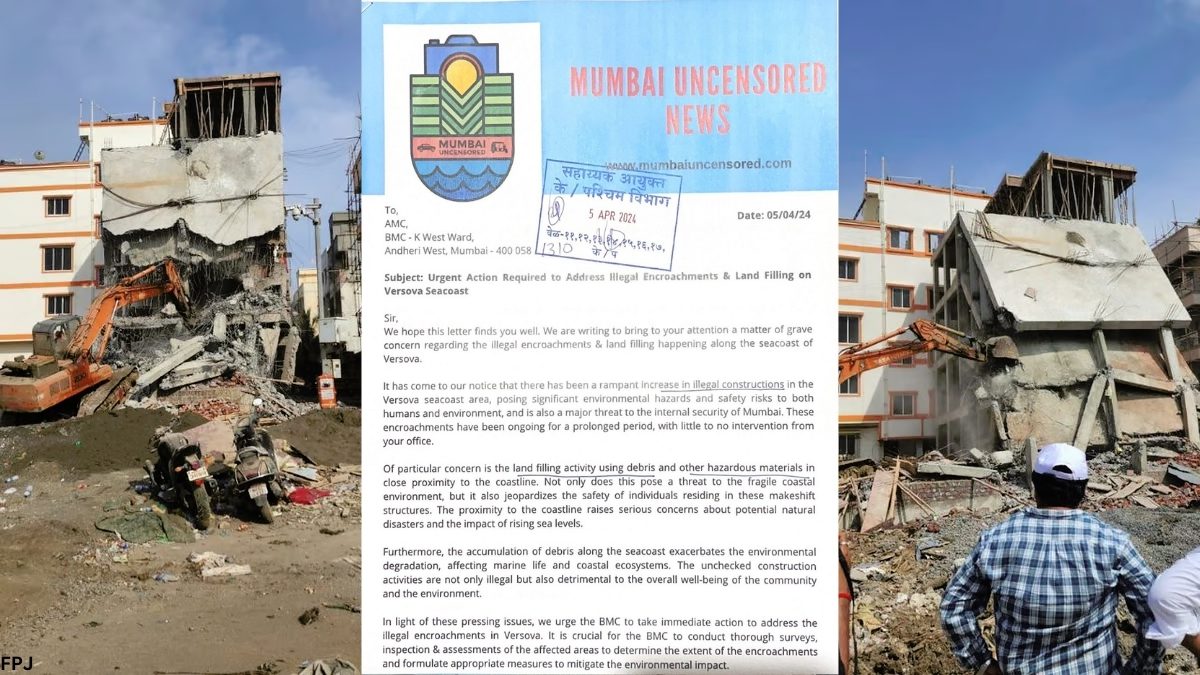
Mumbai Uncensored Impact: BMC Demolishes on Illegal Constructions in Versova, Suspends Assistant Engineer Somesh Shinde
Siddhant Mohite, Mumbai Uncensored:
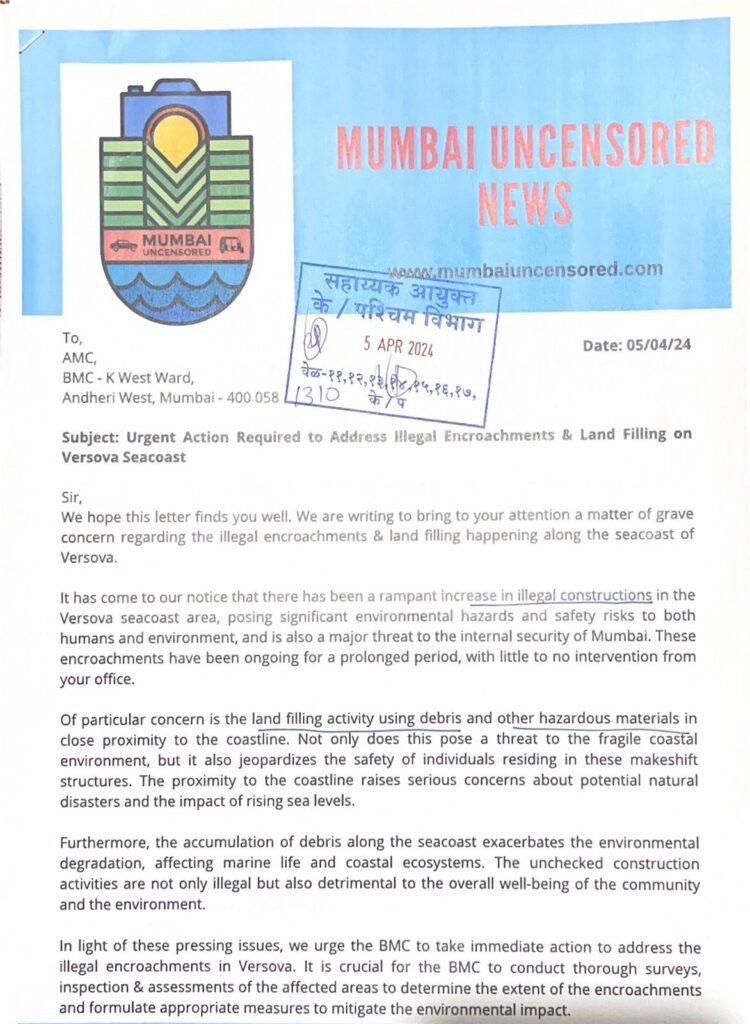
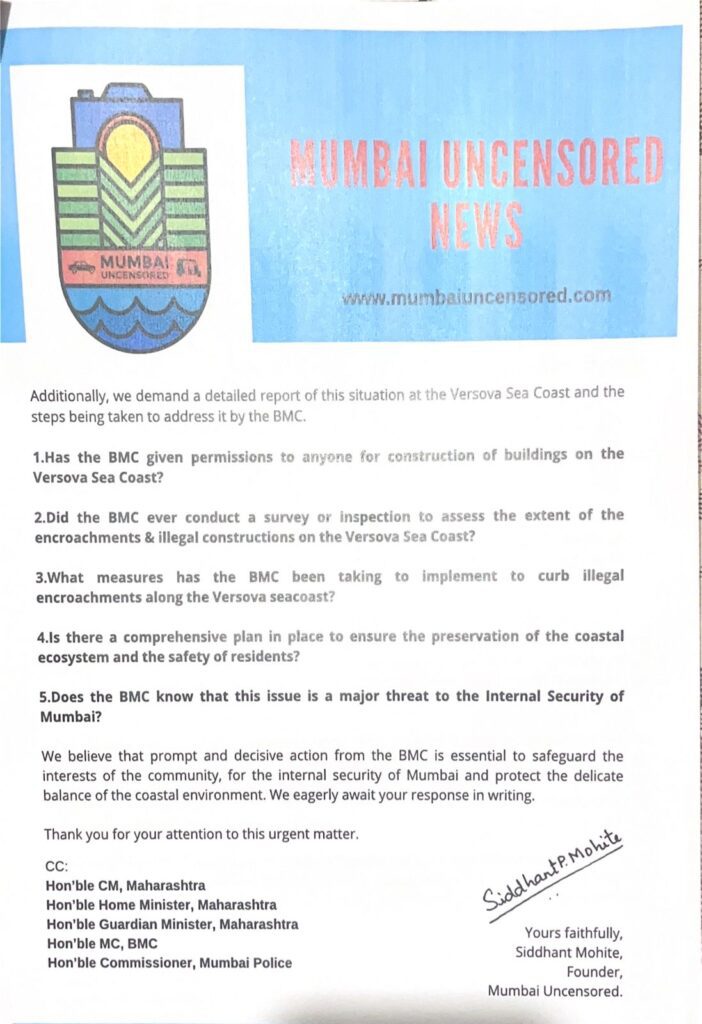
In a significant development prompted by a letter from Mumbai Uncensored dated April 5th to the BMC, the municipal body has demolished Illegal Constructions in Versova. The BMC has also suspended Somesh Shinde, an Assistant-engineer from the K West ward, for neglecting illegal and unauthorized constructions under his jurisdiction in Andheri West, particularly in the CRZ areas of Versova. Despite multiple complaints, Somesh Shinde failed to take appropriate action against these violations.
An additional blow to Somesh Shinde’s professional conduct was his absence from a crucial meeting with municipal commissioner Bhushan Gagrani on June 5. For this absence, he has been issued a show-cause notice and given two days to respond.
Further compounding his suspension, on June 3, Somesh Shinde was instructed to prepare for the demolition of three unoccupied buildings in Versova, including arranging manpower and logistics. However, he neglected these duties. On the day of the demolitions, while senior officials stood in the sun overseeing the operations, Shinde was found sitting in a private air-conditioned car and left before the demolition was complete.

The suspension order also accuses Somesh Shinde of chronic absenteeism, not reporting to the office, and manipulating his attendance records by punching in outside of the workplace. A departmental inquiry is underway, and his suspension will remain in effect until its conclusion.
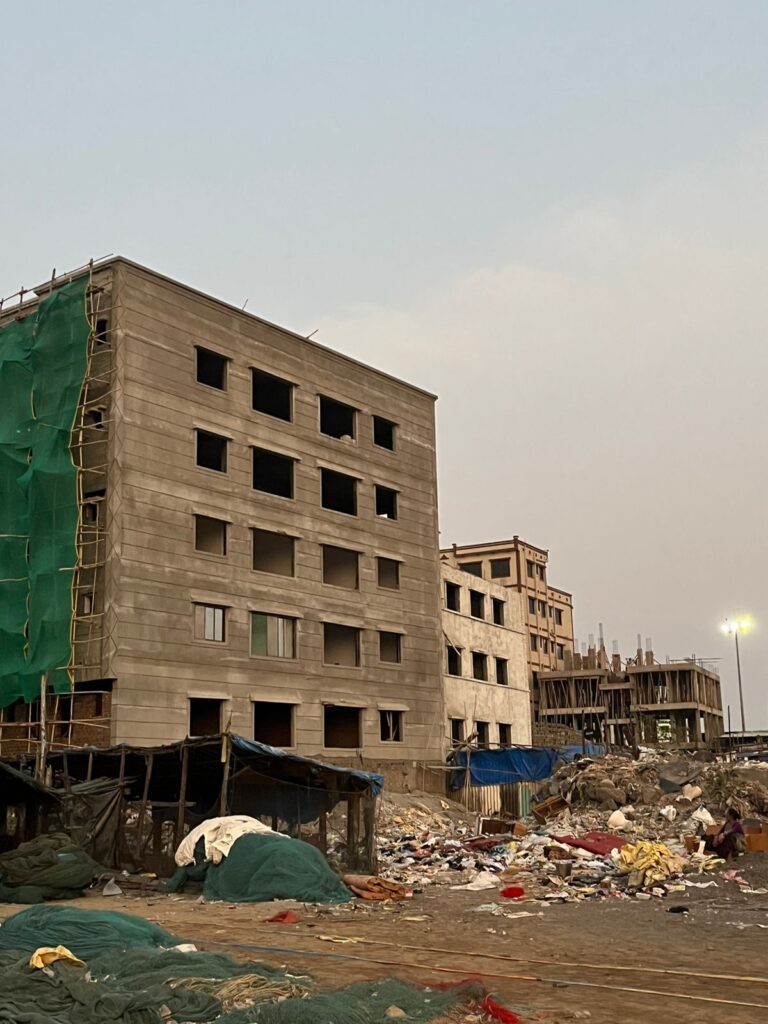
In related actions, Swapnil Kolekar, Executive Engineer of the K West ward, has been transferred to another department. Meanwhile, a dedicated team has been formed to identify unauthorized constructions in the CRZ areas of Versova and prepare for their demolitions.
The news of demolition of illegal constructions follows a letter submitted by Mumbai Uncensored to the BMC on April 5th, highlighting the ongoing issues and urging for stringent action against the negligence of duties by municipal officials.
BMC
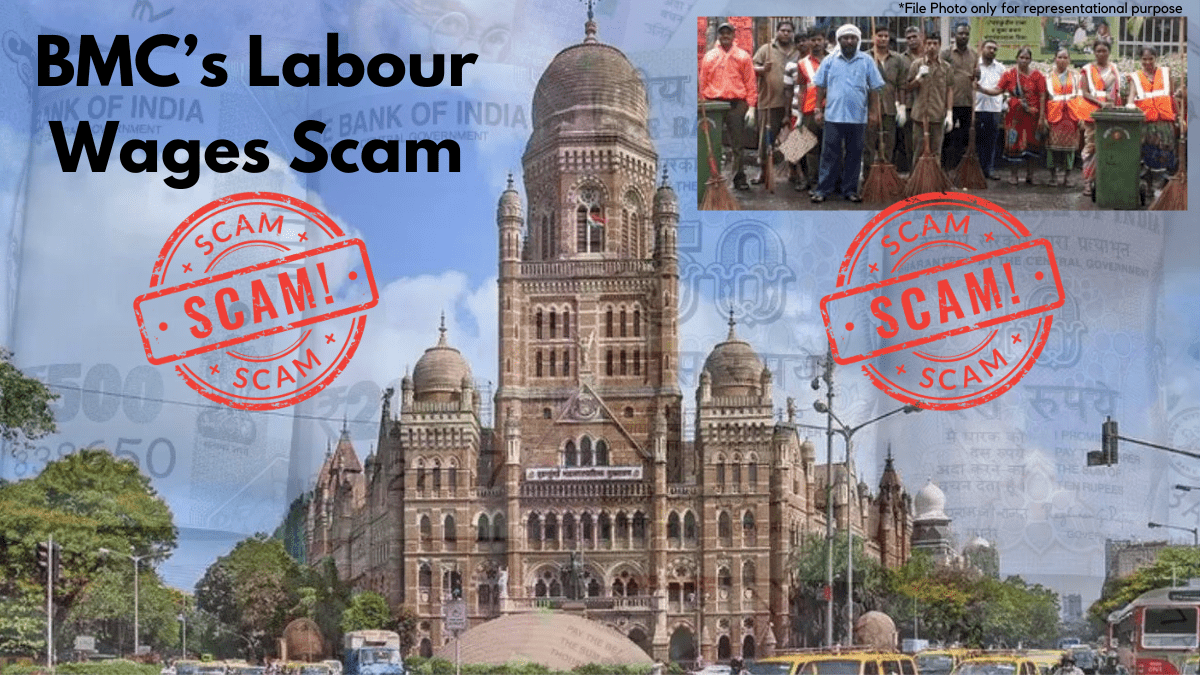
Corruption Scandal Unveiled: BMC Officials Accused of Siphoning Off Crores Meant for Laborers in Mumbai’s Cleanliness Schemes
-
 Special Editions3 weeks ago
From Dreams to Reality: Top 10 Entrepreneurs Redefining the Indian Wedding Industry
-
Special Editions3 weeks ago
Building Dreams: Success Stories of 10 Visionary Entrepreneurs in the Architecture & Interior Design Industry
-
Special Editions3 weeks ago
The Power List : Top 26 Indian Entrepreneurs Defining The Future in 2026
-
Special Editions3 weeks ago
Change Makers: Celebrating the Success Stories of 10 Iconic Women Achievers
-
Special Editions3 weeks ago
Success Stories: Top 10 Physiotherapists Transforming Lives Across India