Connect with us

Mumbai Internal Security

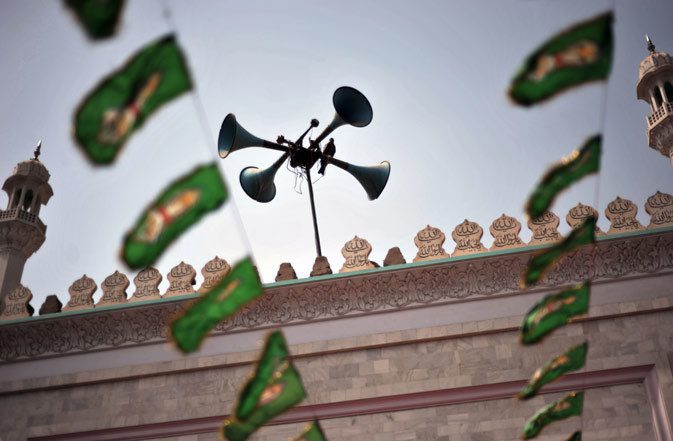
Bombay High Court Orders Mumbai Police to Act Against Noise Pollution From Loudspeakers at Religious Places

Published

on

loudspeaker masjid 06.05.22 2

Siddhant Mohite, Mumbai Uncensored:

The Bombay High Court, in a landmark ruling, has declared that the use of loudspeakers for prayers or religious discourses is not an essential practice of any religion. The court directed the Mumbai Police to strictly enforce the Noise Pollution Rules, 2000, ensuring that no religious place violates the permissible decibel levels through the use of loudspeakers or amplifiers.

A division bench comprising Justices Ajay Gadkari and Shyam Chandak emphasized that Mumbai, as a cosmopolitan city, accommodates people from diverse religions and communities, making noise pollution a significant health hazard that affects all residents equally. The court stated, “No one can claim that their rights are infringed if denied permission to use loudspeakers. Public interest must take precedence, and such permissions should not be granted as loudspeakers are not an essential part of any religion.”

Strict Guidelines for Police Action

The court issued clear instructions to the Mumbai Police on handling noise pollution complaints, particularly those involving religious places.

The guidelines include:
1. First Instance: Upon receiving a complaint, the police must caution the offender without disclosing the complainant’s identity.
2. Second Instance: If further complaints are received, the police are authorized to impose a fine under Section 136 of the Maharashtra Police Act and issue a warning of stricter action for repeated violations.
3. Subsequent Violations: For repeated offenses, the police can seize loudspeakers or amplifiers under Section 70 of the Maharashtra Police Act and revoke the offender’s license to use such equipment.

Petition Highlights Violations by Religious Institutions

The court’s ruling came in response to a plea filed by two resident welfare associations from Mumbai’s Kurla and Chunabhatti areas. The petitioners highlighted how several mosques in their vicinity were using loudspeakers for daily prayers and religious discourses without adhering to permissible noise levels. Despite repeated complaints to local authorities, no significant action was taken.

The petitioners alleged that, even after COVID-19 restrictions were lifted, permissions granted to mosques came with clear conditions to operate within noise limits, which were often flouted. The court observed that this constituted a deliberate violation of legal orders, emphasizing that the police must enforce noise pollution laws without being mere spectators.

Decibel Limits and Fines

The Noise Pollution Rules, 2000, permit a maximum noise level of 55 decibels during the day and 45 decibels at night. The court clarified that the permissible limit applies cumulatively to all loudspeakers in use at a given time, rather than to individual devices. It also noted that the fines—Rs. 5,000 per day for violations—may not act as a deterrent for offenders and urged the state to consider stricter penalties.

Call for Technological Solutions

In its order, the bench suggested that the state government explore the use of technology to address noise pollution. It proposed the development of in-built mechanisms to control the decibel levels of loudspeakers, amplifiers, and other sound-emitting devices, regardless of the religious institution using them.

Upholding the Rule of Law

The court underscored the need for equal enforcement of laws across all religions. It noted, “In a democratic state, no person or group can refuse to follow the law of the land. Law enforcement authorities must take firm action to uphold public interest and prevent nuisance.”

This judgment highlights the judiciary’s commitment to balancing the fundamental rights of individuals with the broader public interest, ensuring that peace and order prevail in Mumbai’s diverse communities.

Continue Reading
Click to comment

Leave a Reply

Your email address will not be published. Required fields are marked *

Mumbai Internal Security

Transparency in Public Administration Demands Timely Answers

Published

on

ChatGPT Image Jul 8 2026 08 02 36 PM

Public institutions derive their strength not merely from laws and regulations, but from the confidence citizens place in their transparency, accountability and fairness. Whenever questions arise regarding administrative decisions, it becomes the responsibility of the government to ensure that facts are established through an impartial and time-bound process.

Recent concerns surrounding the administration of digital hoardings within the Maharashtra Housing and Area Development Authority have brought these principles into focus. Questions have been raised regarding the transfer of responsibilities relating to digital hoardings from the engineering department to another administrative authority and the basis on which such decisions were taken. In a democratic system, administrative decisions affecting public resources and revenue must be supported by clear rules, documented procedures and institutional transparency.

Publicly reported information regarding an ongoing departmental inquiry involving senior officer Vandana Suryawanshi in connection with an alleged revenue loss of ₹49.31 crore has further heightened public interest in the matter. It is important to emphasise that allegations remain allegations until established through due process. However, the existence of an inquiry itself underscores the importance of ensuring that investigations are completed expeditiously and without external influence.

Questions have also emerged regarding the issuance of notices to digital hoarding operators and the administrative procedures followed in those actions. Whether these decisions were fully consistent with applicable rules and whether due process was observed are matters that deserve objective examination rather than speculation.
Equally important is the issue of deputation and transfer policies governing public officials.

Government rules are designed to protect institutional integrity
and maintain public confidence in administration. Therefore, whenever concerns are raised regarding the implementation of deputation policies or transfer orders, authorities should respond through transparent verification and prompt clarification.

The objective of seeking answers is not to target individuals but to strengthen institutions. Accountability mechanisms exist not to weaken governance but to improve it. Independent inquiries, transparent reporting and adherence to established procedures enhance the credibility of public administration and reinforce citizens’ faith in government institutions.

The need of the hour is a comprehensive, impartial and time-bound inquiry into all administrative decisions connected with the matter, including file approvals, delegation of responsibilities, notices issued and compliance with applicable government policies. If any irregularities are found, appropriate action should follow strictly in accordance with law. If no irregularities are established, a transparent inquiry would equally serve to remove doubts and restore public confidence.

Ultimately, this issue extends beyond any individual officer or department. It concerns the broader values of transparency, accountability and good governance that form the foundation of public administration. The public interest is best served not by conjecture, but by facts established through fair and credible institutional processes.
— Mr. Sanket Nalawade, Social Activist

Continue Reading

Mumbai Internal Security

बॉन्डी बीचवरील रक्तपात आणि मुंबईचे वास्तव: बांगलादेशी व रोहिंग्यांच्या अवैध घुसखोरीमुळे मुंबईकर चिंतेत

Published

on

sydney firing

Siddhant Mohite, Mumbai Uncensored News:

हैदराबादचा रहिवासी असलेला साजिद अक्रम आणि त्याचा मुलगा नवीद यांनी ऑस्ट्रेलियातील बाँडी बीचवर गोळीबार केला. या हल्ल्यात १५ जणांचा मृत्यू झाला असून, ४० जण जखमी झाले आहेत.

‘बाँडी बीचवरील गोळीबार हा हल्लेखोरांनी ‘इस्लामिक स्टेट’पासून (आयएस) प्रेरित होऊन केलेला दहशतवादी हल्ला होता,’ असे ऑस्ट्रेलियाच्या फेडरल पोलिस आयुक्त क्रिसी बॅरेट यांनी मंगळवारी सांगितले. ‘हल्लेखोरांच्या गाडीत ‘आयएस’ चे झेंडेदेखील सापडले,’ असे पंतप्रधान अँथनी अल्बानीज यांनी या वेळी नमूद केले.

ऑस्ट्रेलियातील प्रसिद्ध बाँडी बीचवर गोळीबार करणारा हल्लेखोर साजिद अक्रम हा मूळचा हैदराबादचा रहिवासी होता. तेलंगण पोलिसांनी मंगळवारी ही माहिती दिली. हैदराबादमध्ये पदवीपर्यंतचे शिक्षण घेतल्यानंतर साजिद नोव्हेंबर १९९८मध्ये रोजगाराच्या शोधात ऑस्ट्रेलियाला स्थलांतरित झाला. मात्र, तो हैदराबादमधील नातेवाइकांशी संपर्कात होता.

बाँडी बीचवर हनुक्काउत्सवादरम्यान केलेल्या बेछूट गोळीबारात १५ नागरिकांचा मृत्यू झाला होता. मृतांमध्ये १० ते ८७ वर्षे वयोगटातील लोकांचा समावेश होता. या हल्ल्यात ४० जण जखमी झाले. यातील २५ जणांवर अद्यापही उपचार सुरू असून, दहा जणांची प्रकृती चिंताजनक आहे. ५० वर्षीय साजिदआणि त्याचा २७ वर्षीय मुलगा नवीद यांनी हा गोळीबार गेल्याचे समोर आले आहे. पोलिसांच्या गोळीबारात साजिद ठार झाला, तर जखमी नवीदवर उपचार सुरू आहेत.

भारत आणि मुंबईसाठी सुरक्षाविषयक परिणाम: वाढती चिंतेची बाब

जरी हा दहशतवादी हल्ला ऑस्ट्रेलियात झाला असला तरी, त्यामुळे आपल्या देशातील अंतर्गत सुरक्षेतील त्रुटींबद्दल पुन्हा एकदा गंभीर प्रश्न निर्माण झाले आहेत—विशेषतः मुंबई शहराबद्दल, जे भूतकाळात अनेकदा दहशतवादी हल्ल्यांचे लक्ष्य ठरले आहे.

सध्या मुंबईत बांगलादेशी आणि रोहिंग्या घुसखोरांच्या संख्येत झपाट्याने वाढ होत आहे. रस्त्यांवरील भाजीपाला आणि फळांच्या गाड्यांपासून ते शॉर्माच्या दुकानांपर्यंत, खाद्यपदार्थांच्या गाड्यांपर्यंत, मांस आणि मासे विक्रेत्यांपर्यंत, त्यांची उपस्थिती संपूर्ण शहरात अधिकाधिक स्पष्टपणे दिसून येत आहे.

यामुळे मुंबईकरांसमोर काही आवश्यक प्रश्न उभे राहतात: आपल्या ओला-उबर टॅक्सी चालवणारे हे लोक कोण आहेत? स्विगी आणि झोमॅटोसाठी काम करणारे डिलिव्हरी बॉईज कोण आहेत? अर्बन कंपनीमार्फत दुरुस्ती, साफसफाई किंवा इन्स्टॉलेशनसाठी आपल्या घरात येणारे पुरुष कोण आहेत?

ते पडताळणी केलेले भारतीय नागरिक आहेत की, बनावट आधार कार्ड आणि खोट्या कागदपत्रांच्या आधारे शहरात राहणारे अवैध घुसखोर आहेत?

सुरक्षा तज्ञांनी इशारा दिला आहे की, अनियंत्रित अवैध स्थलांतरामुळे अंतर्गत सुरक्षेला संभाव्य धोका निर्माण होतो. ही चिंता केवळ अवैध वास्तव्याबद्दल नाही, तर दहशतवादी संघटना अशा नेटवर्कचा वापर लॉजिस्टिक्स, निधी, आश्रय किंवा स्लीपर सेलसाठी करण्याची शक्यता आहे.

बॉन्डी बीचवरील दहशतवादी हल्ला ही एक गंभीर आठवण आहे की, कट्टरतावाद लोकांच्या नजरेपासून दूर, अनेक दशके शांतपणे वाढू शकतो. मुंबईत प्रचंड लोकसंख्या, आर्थिक महत्त्व आणि कमकुवत पडताळणी यंत्रणांमुळे, आता नागरिकांना अधिक सावध राहणे गरजेचे आहे.

शहराची सुरक्षा धोक्यात येणार नाही याची खात्री करण्यासाठी अधिकाऱ्यांनी तातडीने पार्श्वभूमी पडताळणी, कागदपत्रांची तपासणी आणि विविध संस्थांमधील गुप्तचर माहितीची देवाणघेवाण मजबूत करणे आवश्यक आहे.

Continue Reading

Mumbai Internal Security

Pune IED Case: Two ISIS-Linked Men Arrested After Returning to India

Published

on

talha liyakat khan and abdullah faiyaz shaikh 17313363

In a major counter-terror operation, two individuals linked to a sleeper cell of the Islamic State were apprehended at Mumbai’s Chhatrapati Shivaji Maharaj International Airport. Authorities intercepted the suspects upon their arrival from Indonesia, where they had been in hiding for over two years.

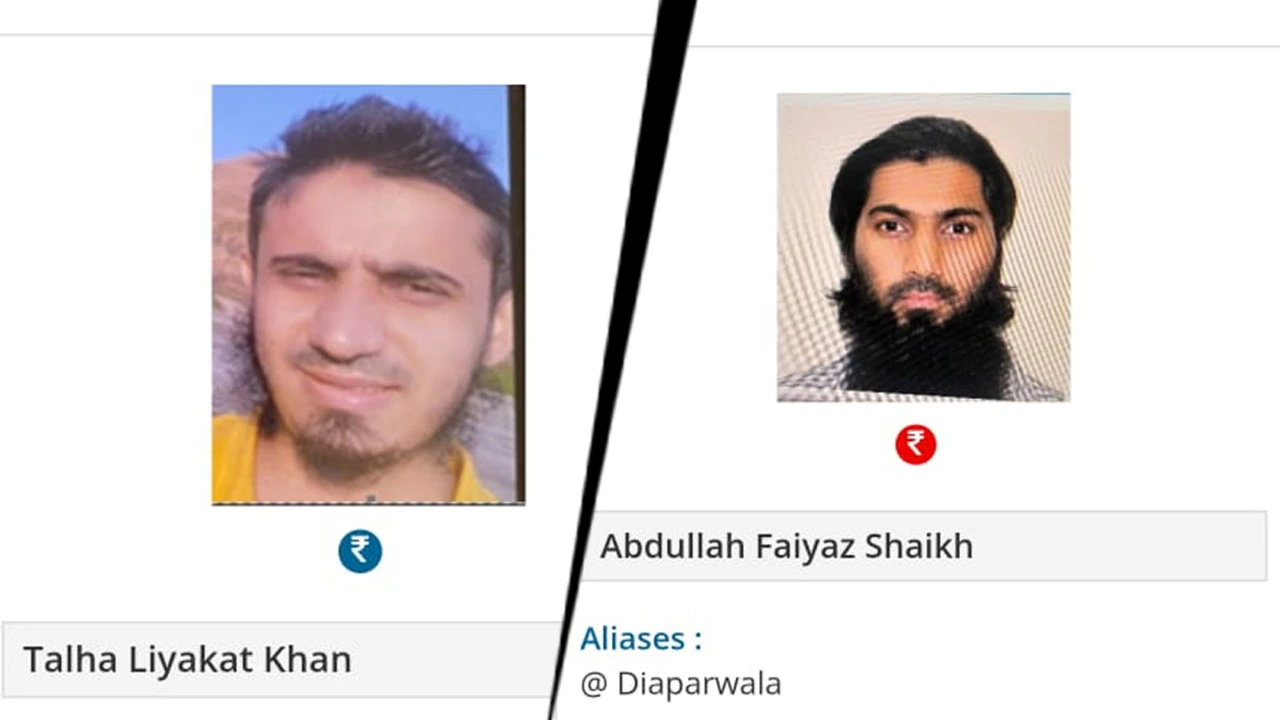
Identified as Abdullah Faiyaz Shaikh (also known by the alias “Diaperwala”) and Talha Khan, the duo were wanted in connection with a 2023 case involving the fabrication and testing of improvised explosive devices (IEDs) in Pune.

The National Investigation Agency (NIA) had issued non-bailable warrants and had placed a reward of ₹3 lakh each for credible information leading to their capture. The arrests put a halt to an ongoing probe into a terror cell that was reportedly planning violent acts intended to disrupt communal harmony and wage psychological warfare in India.

During the 2022–2023 period, the suspects participated in bomb-making workshops and carried out controlled IED detonations in Pune’s outskirts. They were part of a broader module that included eight others already in judicial custody.

Following their arrest, both men were presented before a special NIA court in Mumbai and remanded into agency custody for further interrogation. They face charges under anti-terror laws including the Unlawful Activities (Prevention) Act, Explosive Substances Act, Arms Act, and relevant sections of the Indian Penal Code.

This crackdown is being hailed as a significant disruption to ISIS’s efforts to establish operational networks within India. Authorities are doubling down on surveillance and intelligence efforts to identify and dismantle any remaining sleeper cells.

Continue Reading

Trending